

Some of the most important pieces of phonecard history are not in a museum and not in a catalog. They are in private collections, in folders of manufacturer documents kept in a drawer, in the memory of collectors who were there when it all happened. Contribute to History, the project WPC Club runs with the Phonecard Museum, exists to bring that material into the permanent record, with full credit to whoever provides it.
Article Contents
The First Project of the WPC Projects Program
Contribute to History is the first structured project of the WPC Projects program, the framework through which WPC Club turns the knowledge scattered across our community into documentation that lasts. The second one, the Italian Public Telephones Catalog, came later and works the same way: collectors provide the material, an institutional partner provides the historical expertise, WPC Club connects the two.
The project was born directly from the Official Cultural Partnership signed with the Phonecard Museum in May 2026, and it is its first concrete result. But the real protagonist is not the museum: it is you. That card only you own, that document nobody has ever published, that knowledge you have built up over years of research are missing pieces of phonecard history, and nobody else in the world can provide them in your place.
By contributing, your name enters the world’s reference archive: credited as a source on the Phonecard Museum website, next to the material only you could bring. It is not a favor you do for someone else. It is your place in the history of this collecting field.
The Phonecard Museum, Where the Documentation Lives
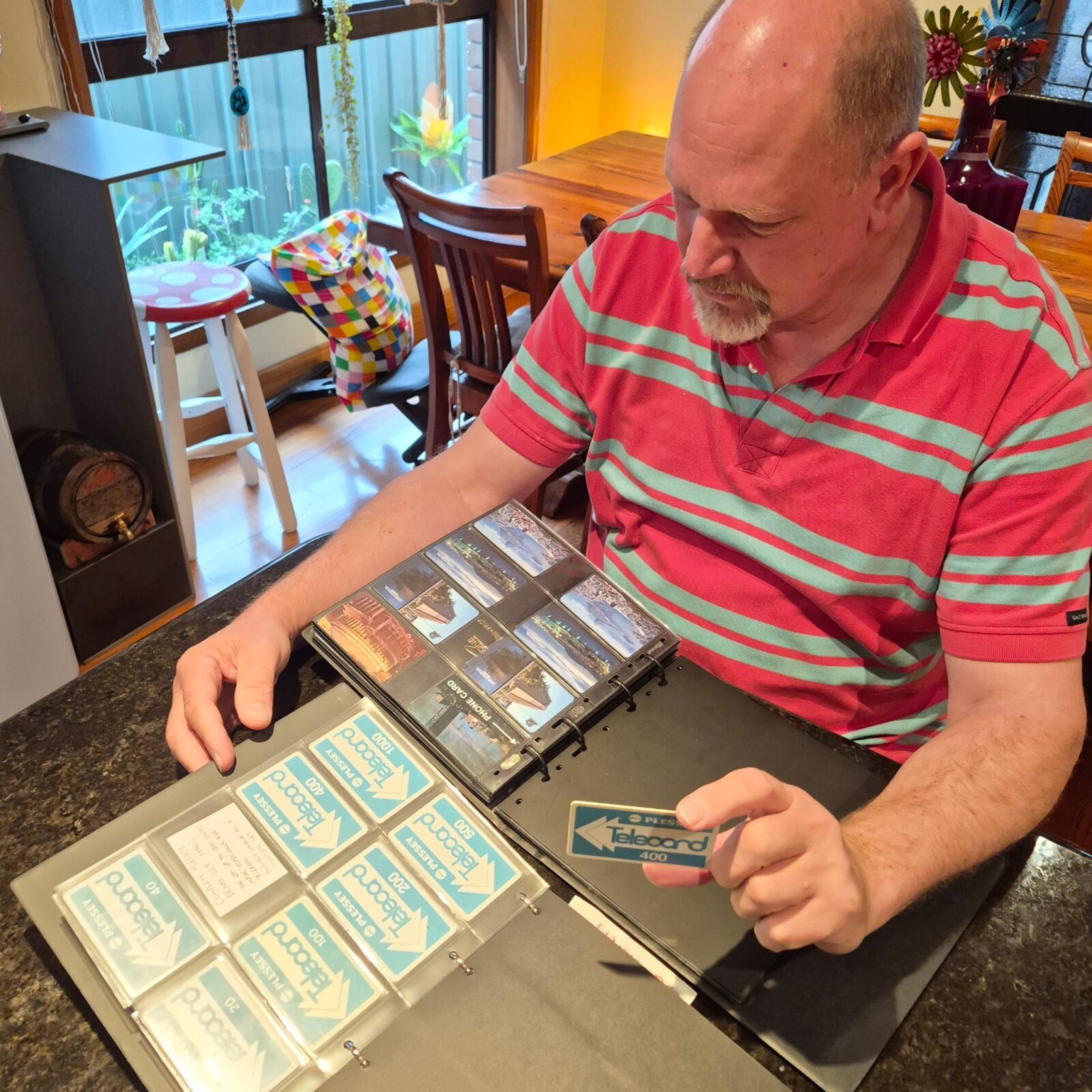
The Phonecard Museum, founded and curated by Eric Schuenemann in Australia, is the world’s reference archive for phonecard documentation. Its reference collection spans decades of production from dozens of countries, with prototypes, trial issues and demonstration pieces that exist in a handful of examples, and much of this material is documented nowhere else.
The museum provides the research capability: identification, dating, comparison with known variants, verification against manufacturer records. WPC Club acts as the bridge between the collector community and the museum: it receives submissions, assesses their relevance and puts contributors in direct contact with the museum’s team.
If you want to see the kind of work your material would feed into, read the article dedicated to the GEC Plessey GPT phonecards. That is the standard: evidence first, conclusions after.
Why Phonecard History Still Has Gaps
Fifty years have passed since the first public phonecard, issued in Italy in 1976, and yet the record is still incomplete. Trial cards and prototypes were produced in tiny quantities and rarely documented. Small operators issued cards that never entered any catalog. When telephone companies and card manufacturers closed or merged, entire archives were dispersed, and what survived often survived by chance, in the hands of a technician, a dealer, a collector who happened to be in the right place.
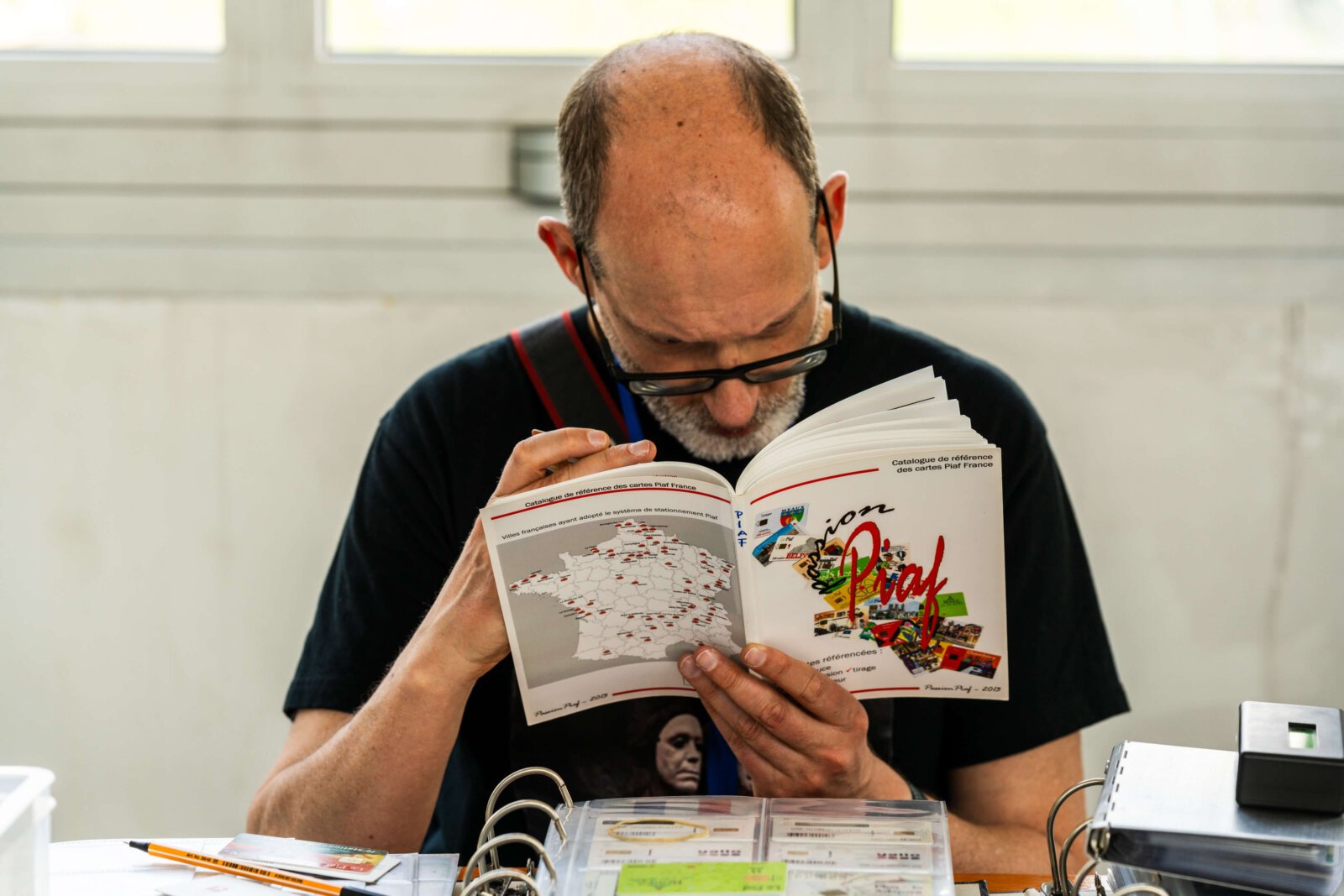
This is why phonecard history cannot be written by a single institution. Every collector holds a fragment: a card nobody has ever published, a technical sheet, a letter from a manufacturer, or simply the knowledge of how a series was distributed and why it was withdrawn. Put those fragments together and the picture changes.
How to Contribute
Taking part is open to everyone, members and non-members alike, and takes a few minutes. Go to the project page, Contribute to History, fill in the form with your name, email and country, describe briefly what you own or what you know and attach up to 2 files in JPG, PNG or PDF format, up to 20 MB each. For scanned cards and documents, 300dpi JPG files are ideal: the museum works on images that can be examined closely, so resolution matters more than quantity.
What you can send
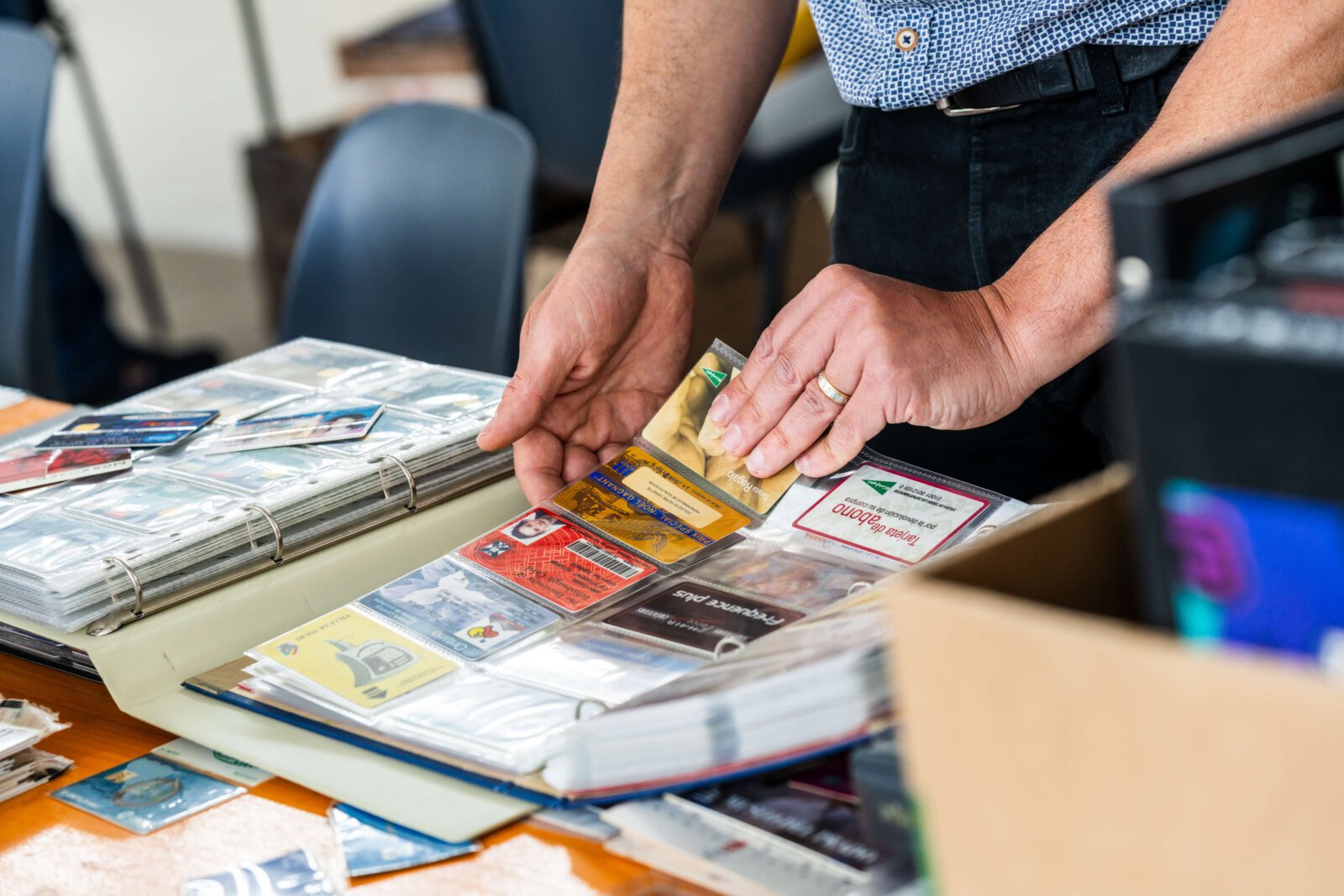
Rare or unpublished cards, prototypes, trial and experimental issues, manufacturer documents and archives, catalogs, brochures, correspondence, photographs of production or installation. Knowledge counts too: issue dates, print runs, technologies, distribution details never put in writing anywhere.
How the evaluation works
WPC Club reviews every submission for historical relevance and quality, and may come back to you with a few questions before proceeding. The evaluation is entirely on our side and we will get back to you within a few days. If your contribution is relevant, we put you in direct contact with the Phonecard Museum team.
Your Name Next to What You Shared
As with every WPC project, contributors are never anonymous. Your name is always credited as a source next to the material you provided, in any documentation or publication that uses it. Nothing is absorbed silently and nothing changes hands: your cards and your documents stay yours, the record gains the information they carry, and your name stays attached to it. Years from now, whoever studies those cards will find your name next to them. That is what it means to contribute to history rather than simply own a piece of it.
To discover the archive this project feeds, visit the Phonecard Museum or read our announcement of the official partnership.
Do you own a card or a document that has never been published? We are listening.
