

The Collector Stories series crosses the ocean and lands in Florida, home of Steve Schwartz, the American collector who experienced phonecard collecting from a unique position: that of the dealer who, in 1994, inside a Sears department store, decided to trade an object most Americans did not even know how to use yet. Thirty years later, his inventory exceeds one million phonecards, and his reference collection, a systematic archive holding one example of every United States issue from 1984 to 2000, around 25,000 different cards, is destined one day for a museum. This is the story of a man who did not simply collect phonecards: he catalogued them, studied them and sold them across the United States.
Article Contents
How many years have you been collecting phonecards and how did this passion start? Is there a specific moment you remember, a first card, or an encounter that changed everything?
In 1977 I started a licensed business inside of a Sears Roebuck store in Florida. I dealt in stamps, coins, and precious metals, and later expanded into coin jewelry and bullion. At that time, Sears was the largest and most well respected retailer in the USA. In 1994 I noticed a new hobby that we called phonecard collecting, and decided to deal in that collectible also. For the next few years I was doing a lot of business buying and selling phonecards inside Sears, and through mail-orders. Almost every American had a Sears credit card back then.
Most Americans didn’t know what a phonecard was in 1994, nor how to use it. But people started seeing licensed images of Disney and athletes, Coca-Cola, McDonald’s and animals and just about everything else, including their local pizza restaurant: companies were putting their images on phonecards for promotional purposes. It became a large advertising business, and hundreds of different phonecard companies started producing them. As a dealer, I wanted to stock all of them for my customers. It became an impossible task.
How would you describe your collection to someone who knows nothing about this hobby? Do you have a specialisation, a favourite geographical area or theme?
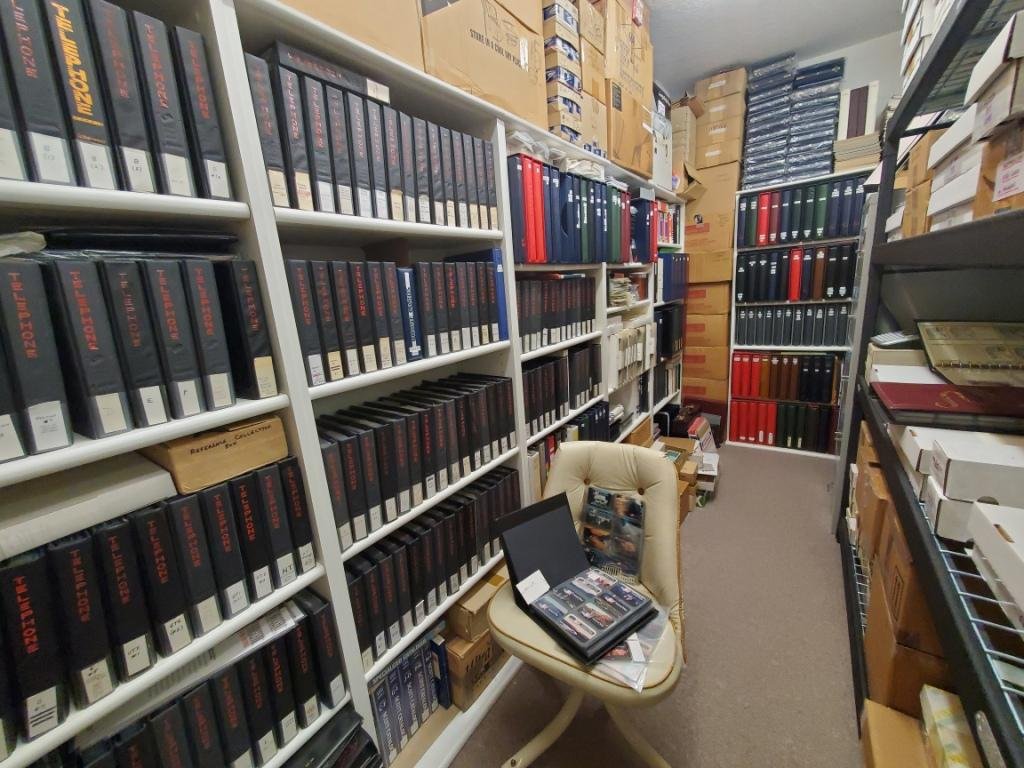
My reference collection, intended to be gifted to a museum someday, contains one each of all USA issued phonecards from the beginning, about 1984, through the year 2000. My personal collection contains what I consider to be the world’s most beautiful phonecards: the Japanese Disney phonecards. And I also have an almost complete personal collection of early Japanese cards, the DenDenKoSha and the National and NTT counter cards.
Approximately how many phonecards do you have in your collection? And over how many years have you built it?
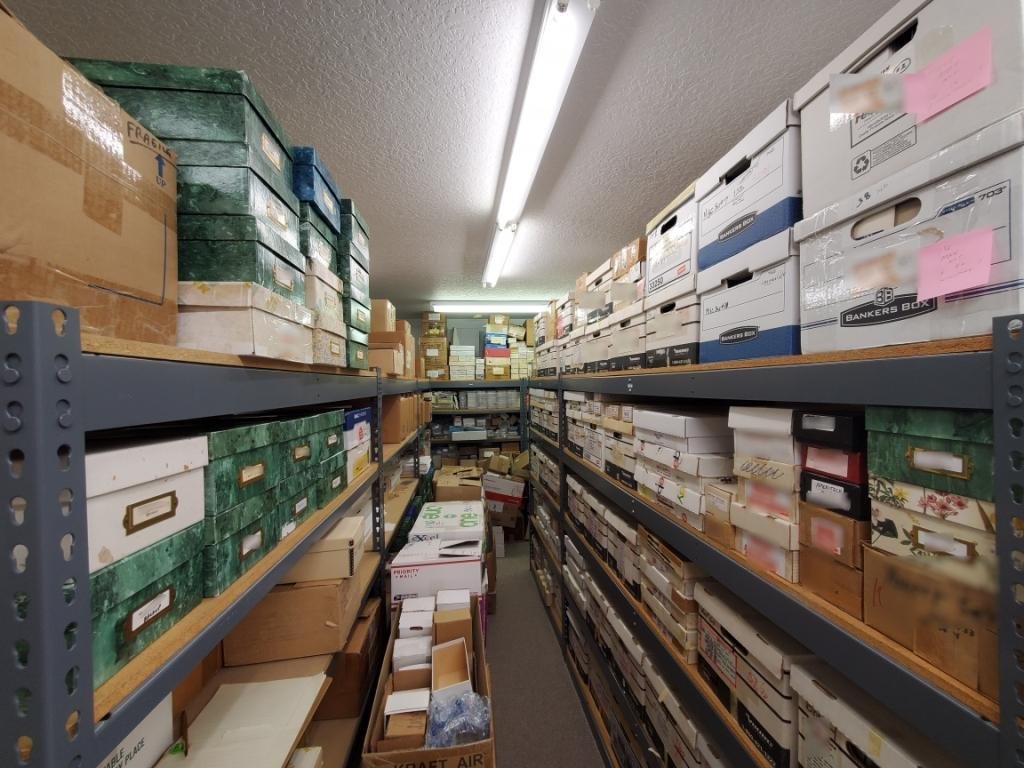
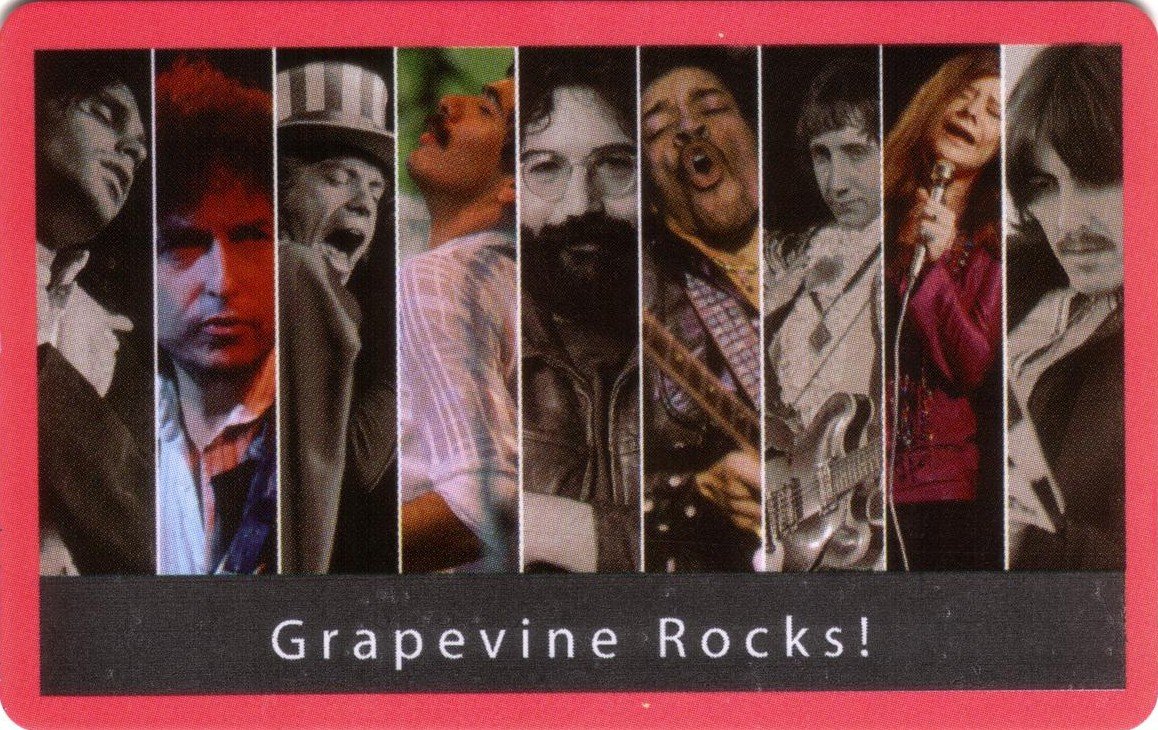
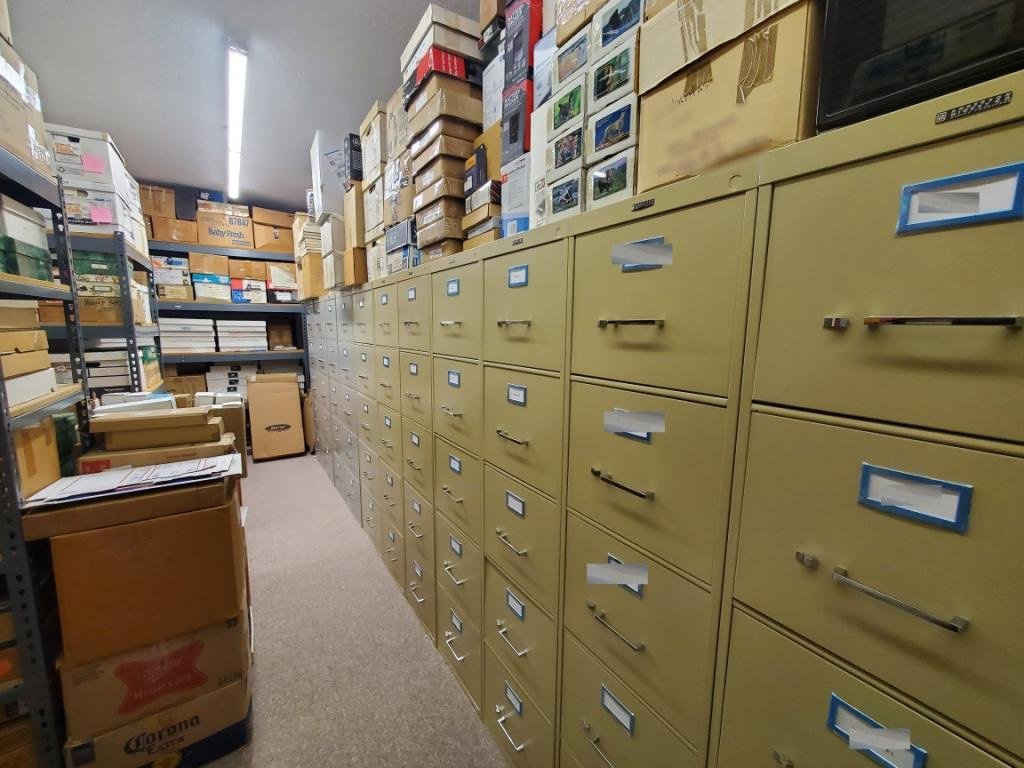
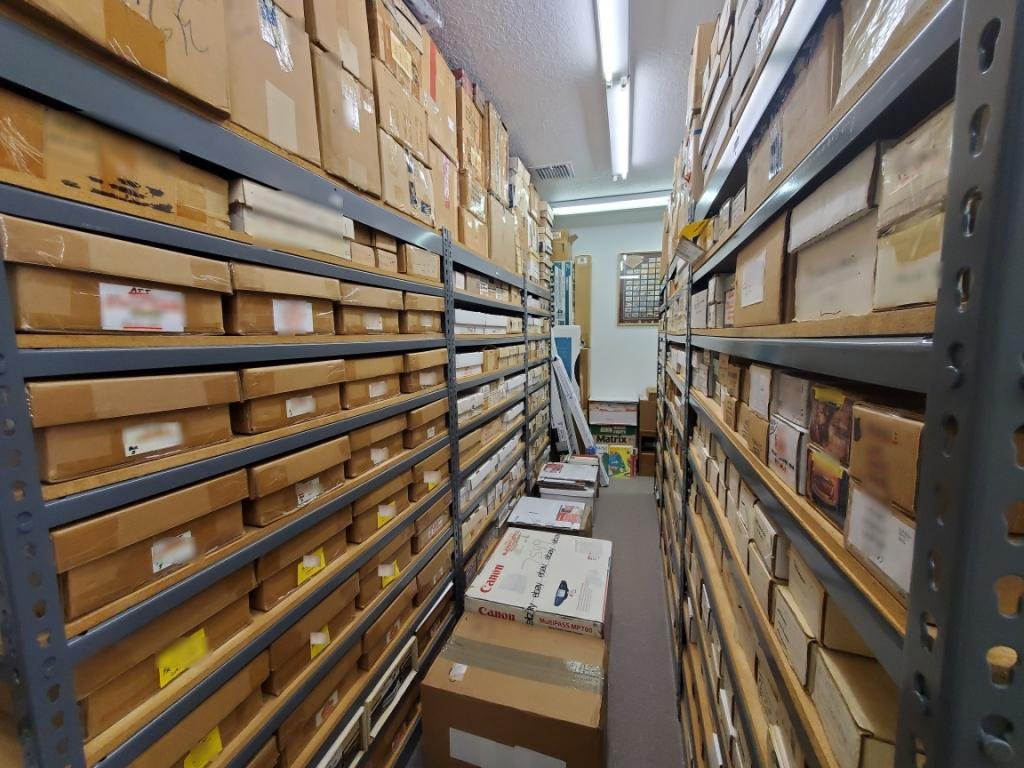
I bought my first phonecard in 1994, and now my dealer inventory contains far more than one million phonecards. But I’m old now, and if someone wanted to buy my entire company with all the phonecards (and much more), it’s for sale at the right price. There are about 25,000 different cards in the USA reference collection, with many more to go before it’s complete. The one phonecard I usually carry with me just for enjoyment is the Rock & Roll artists card.
Is there a card you would never give up? What makes it so special to you?
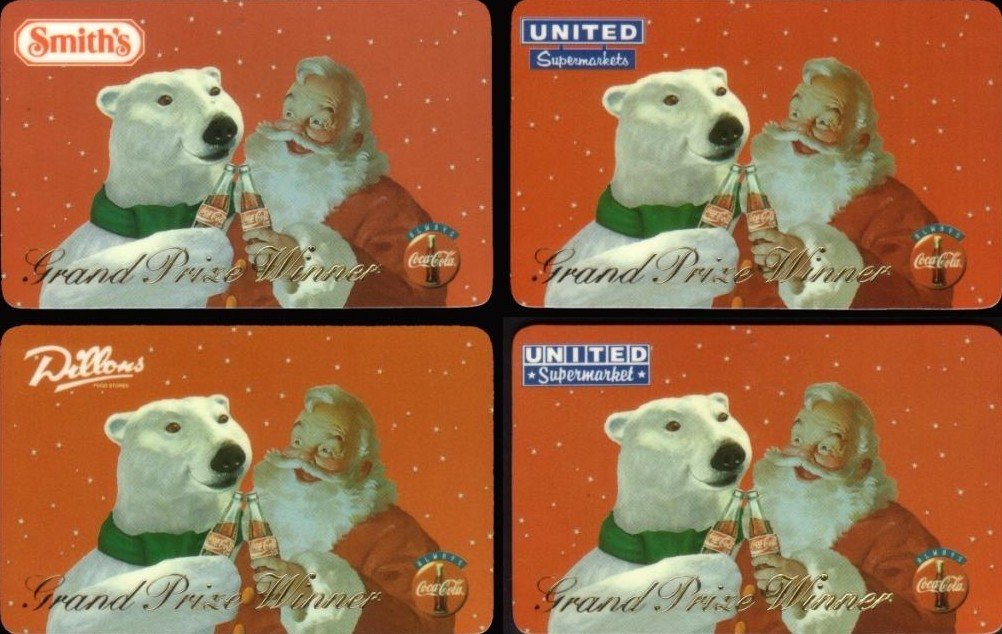
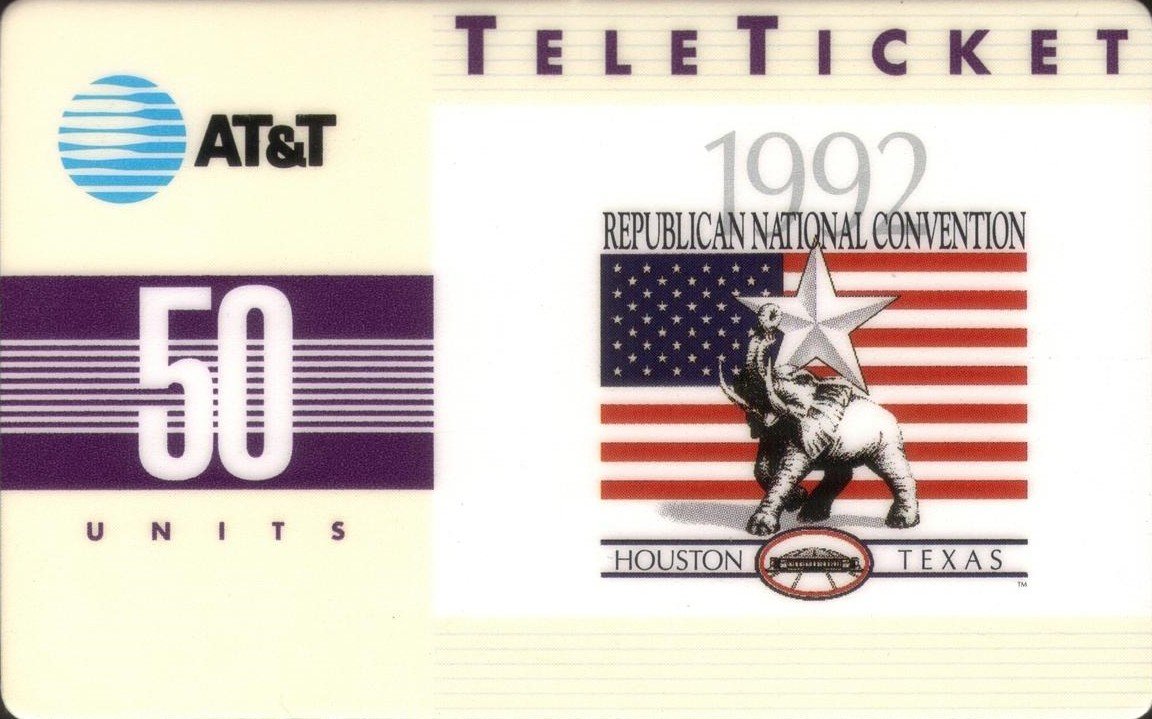
There are some cards in the reference collection where only a few were printed. I consider those the rarest ones. There are the Coca-Cola Grand Prize Winner cards from 1994: only 3 or 4 of each were printed, and one set of 4 was burned in a fire at the TekTel Marketing headquarters, so only 2 or 3 of each card can exist worldwide. The four different company logos shown in the upper-left corner were USA supermarket grocery store chains. And there is the rarest AT&T phonecard: only two live cards were printed for the 1992 Republican Party political convention in Texas.
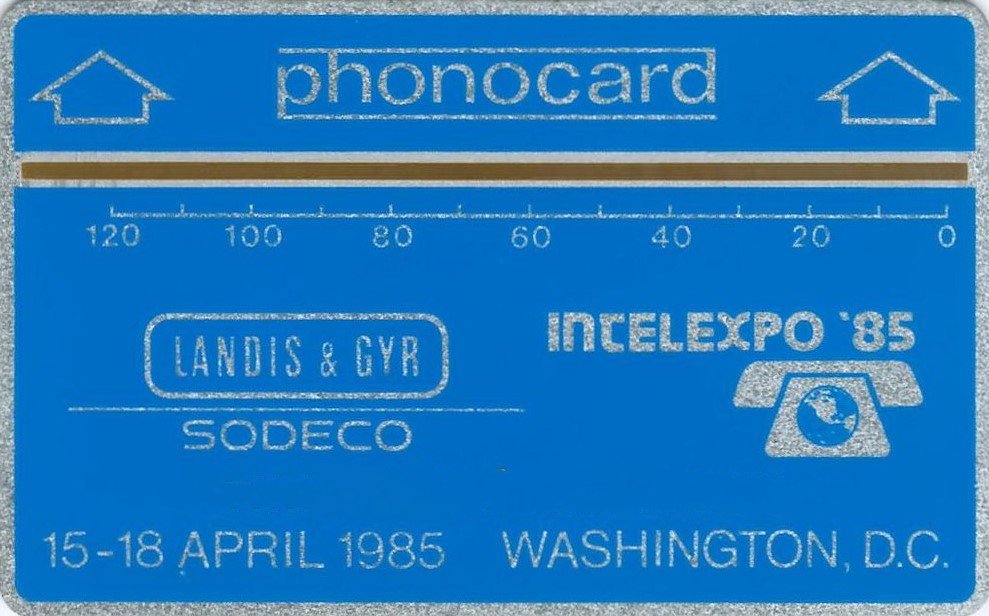
But the one card I’d want to keep, even if I sold my entire company, is the IntelExpo card. It’s considered the first introduction of a telephone card into the USA, and was produced by Landis & Gyr for the major telecommunications industry exposition held in Washington DC in 1985 to showcase emerging technologies.
What gives you the most satisfaction in this hobby: the search, the discovery, the history behind the cards, the contact with other collectors, or something else?
What I enjoy most is the research and listing of each card. It provides quiet solitude, peace and focus in an outside world filled with frustration. I first realized this when I became the Editorial Consultant for the 1997 Catalog of USA and Canadian Prepaid Phone, Cash and Transit Cards: 872 pages, and the largest and most respected catalog of the time. But I think I would enjoy the hobby even more today, if we could get new collectors interested in this hobby.
Have you ever made an unexpected discovery? A card found by chance that turned out to be particularly rare or significant?
Since I’m supposed to be more knowledgeable than most sellers, there were no unexpected discoveries. I always do research before making an offer to the seller. And I always try to be the top buyer in a collector’s market that, in these days, is very soft and slow.
The real discoveries, in a way, were the collections that found their way to me. Over the years I purchased the remaining inventory of AmeriTech, one of the largest phone companies in the USA, one of the “Baby Bells”. Then came the corporate phonecard collections from AmeriVox and Amos Press, the publisher of the Moneycard Collector Catalog.
Some collections arrived with a story attached. Chris Garibaldi (AmeriCards), who wrote the early USA catalogs with Steve Hiscocks, drove 3,000 miles to deliver his remaining inventory to me in person. The collection of Steve Eyer came to me from his widow. And when I bought the remaining inventory of Powell & Associates, run by Luis Vigdor, the largest USA phonecard wholesaler, his son drove an 18-wheeler semi-truck from New York to deliver 97 cartons.
Then there were the remaining inventories of the first phonecard store in the USA, Scott duPont’s “Keep The Change”, of KARS (Scott Shapiro), and of many others. There was the deal with William Shatner’s accountant for their Star Trek cards, and with TekTel Marketing for their Norman Rockwell and Coca-Cola promotional phonecards… and piece by piece, a large part of the history of the American phonecard market ended up under my roof.
Have you attended PIM – Phonecards International Meeting? If so, what do you remember about that experience? If not, is it something you would like to do?
I have not attended a PIM meeting. But back in the mid-1990’s I attended many USA phonecard shows, including those that were part of major stamp and coin shows. I was even a presenter about phonecard collecting to Telecom managers. I didn’t attend any shows outside the USA, but I always had a wonderful time whenever I was at the many we had here in the USA. Now that I’m in my 70’s, I don’t really want to travel to participate in overseas shows.
How did you find out about the WPC Club and what convinced you to join?
I became an early member of the WPC Club because I knew a few of the original people involved, and wanted to support what they were doing to try to renew the hobby.
Is there something you expect from the WPC Club community that you haven’t yet found elsewhere?
My main hope is that the WPC Club can revive a contracting hobby that has an aging demographic.
Is there anything about your collecting story that you would like to share, and that the previous questions didn’t allow you to tell?
I hope people will visit my website, CollectorMagic.com, and search for the topic or theme they collect. The website can also be used as an online catalogue of North American phonecards.
From a counter inside a Sears department store to an archive preserving the complete memory of early American phonecards: Steve Schwartz’s story tells of an era when phonecards were advertising, technology and collecting all at once, and an entire country was discovering them for the first time. His reference collection, intended one day to become part of a museum, is already the work of a historian as much as a collector.
And his wish is the same one that drives the WPC Club: bringing new collectors back to this hobby. If you are a WPC Club member and have a collection worth telling, write to us: you could be the next voice of Collector Stories.
