

Some collectors gather. Others, at some point, feel the need to put what they gather in order, and to do it for everyone else too. Gilberto Gallo Martínez belongs to the second family. He worked in oil exploration, has been collecting phonecards since around 2000 and in twenty-six years has built up more than ten thousand pieces, with a preference for Colombian issues and for a few themes that say a lot about him: roosters, oil, birds, coins and banknotes.
In 2012, together with Álvaro Eraso Alvear, he published the Catálogo de Tarjetas Telefónicas de Colombia, a systematic catalogue of the phonecards of his country, from the big national networks to the small local companies, up to the year when phonecards disappeared from the Colombian market. More than five years of research, carried out with fellow collectors in several cities, to fill a gap that no company had any interest in filling.
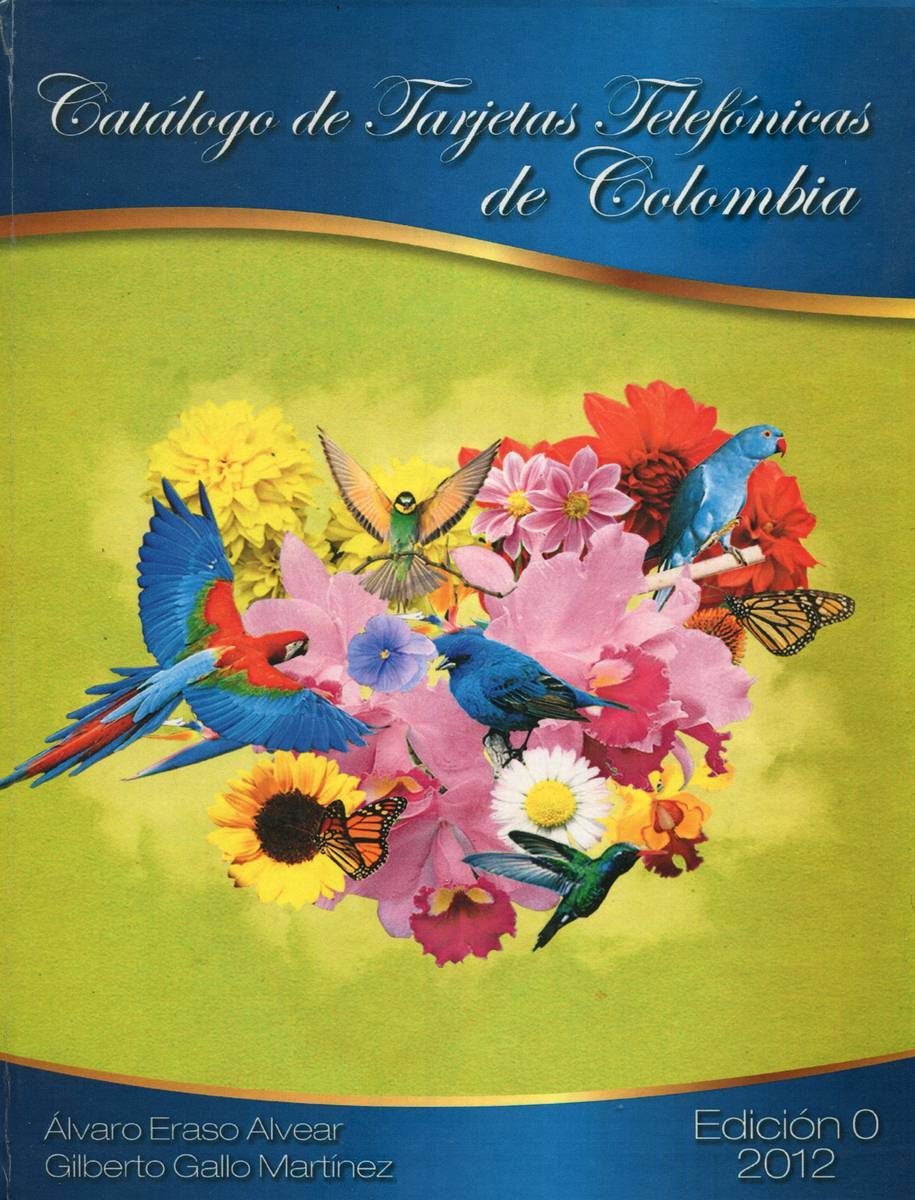
Gilberto is a WPC Club member and has not yet come to the PIM – Phonecards International Meeting, but he promises he will. In the meantime he told us his story, from the Fernando Botero phonecards that made him fall in love with this hobby to the transparent Telepsa card he would never part with. And, at the end of this article, he makes his catalogue available to everyone.
Here is his story, in his own words.
Article Contents
How many years have you been collecting phonecards, and how did this passion begin? Is there a specific moment you remember, a first card or an encounter that changed everything?
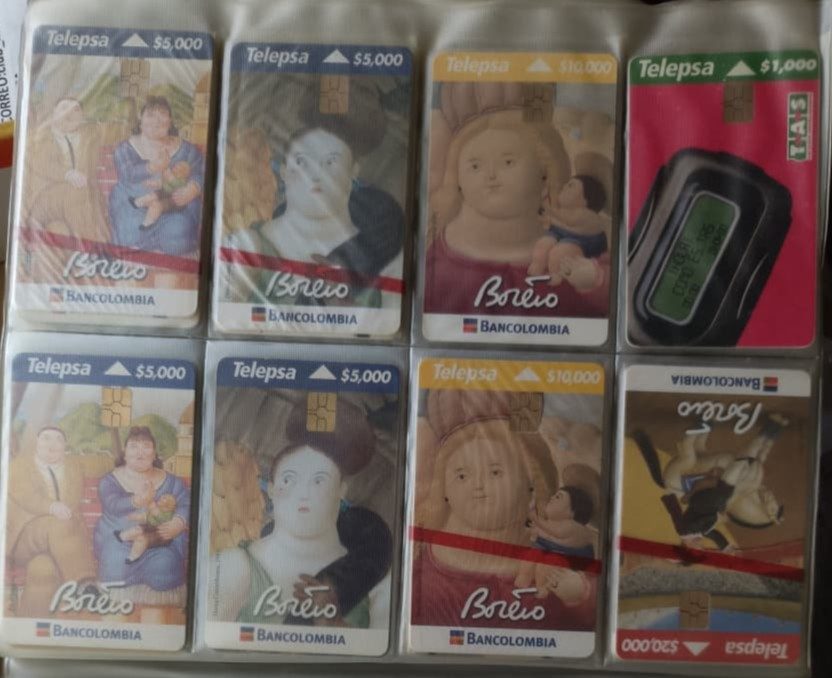
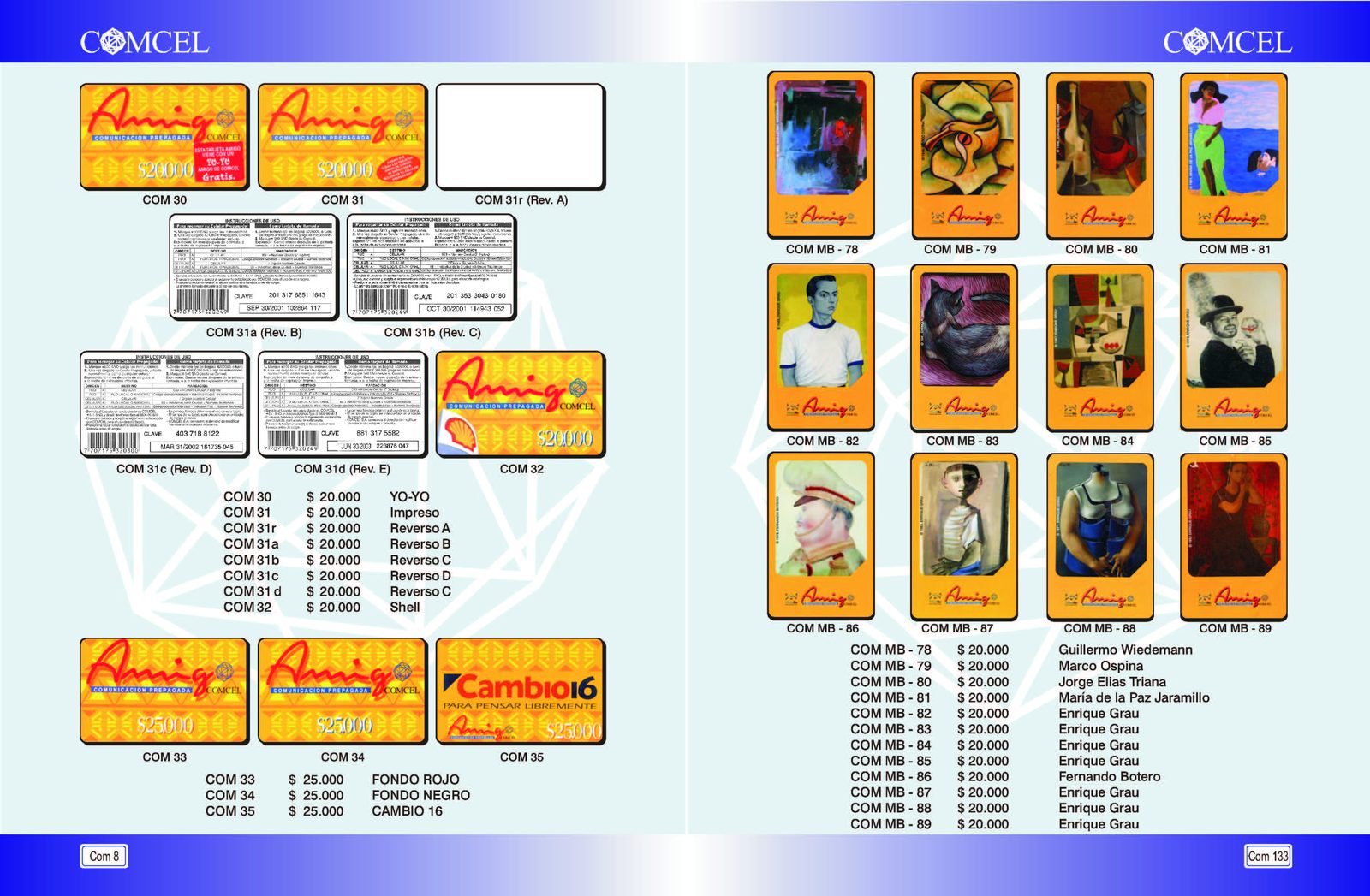
I started collecting phonecards around the year 2000. At the time they were prepaid cards and they had beautiful pictures, such as the ones dedicated to the painter Fernando Botero.
The Fernando Botero phonecards: do you remember which one first caught your eye, and why did art on Colombian phonecards make such a mark on you?
All the art cards caught my attention, because they were a way of spreading our culture, especially the work of Maestro Botero, a reference point for Colombia in the eyes of the world.
How would you describe your collection to someone who doesn’t know this hobby? Do you have a specialisation, a geographic area or a favourite theme?
It is an enjoyable way to learn about many subjects through the pictures on phonecards: art, geography, customs, history and many other themes.
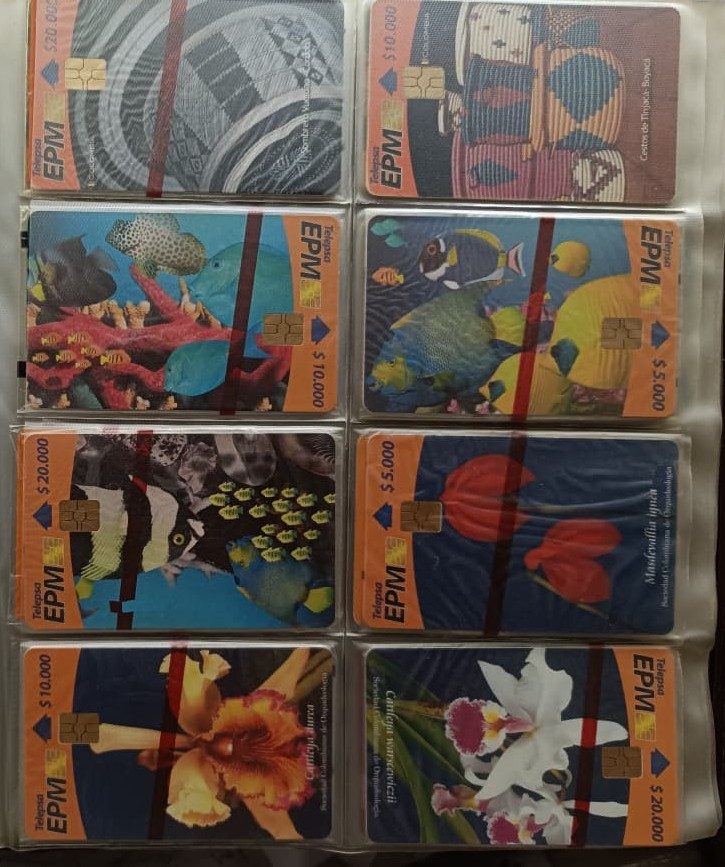
I collect phonecards on the themes of roosters, oil, birds and numismatics.
Roosters, oil, birds and numismatics are a very personal combination. What lies behind each of these themes?
Roosters, because of my surname: Gallo. Oil, because I worked in the search for oil, in seismic exploration. Birds, for their beauty and to help with their conservation. Numismatics, for its link with the other collections of coins and banknotes that I own.
Roughly how many phonecards do you have in your collection, and over how many years did you build it up?
I have more than 10,000 phonecards, built up over 26 years.
Is there one phonecard you would never part with? What makes it so special to you?
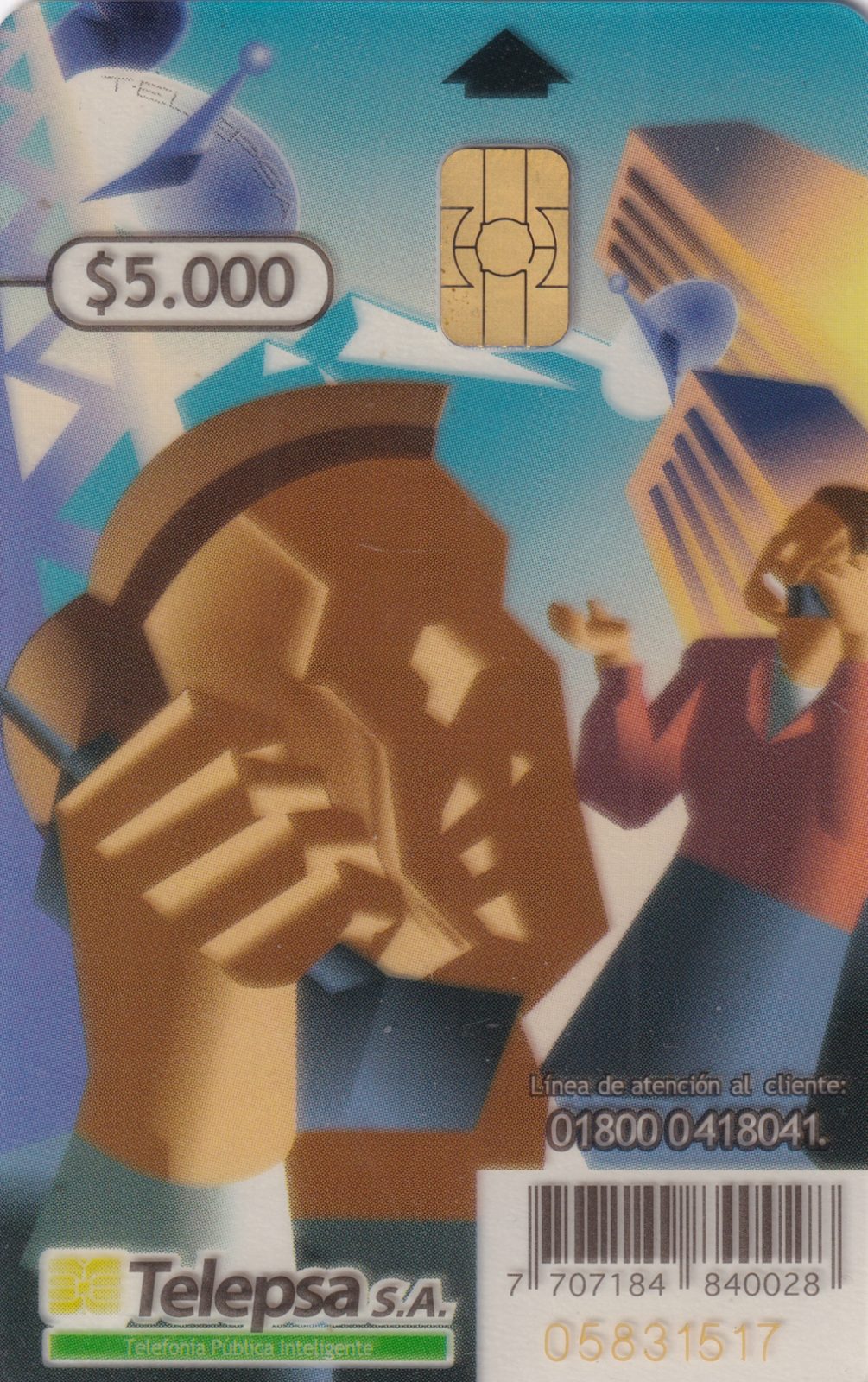
The transparent Telepsa card from Colombia, because it is the only one of its kind in the country.
What gives you the most satisfaction in this hobby: the search, the discovery, the history behind the cards, the contact with other collectors, or something else?
All the aspects mentioned in the question are very important and, together, they make up the satisfaction of collecting. Above all, the relationship with other collectors, getting to know their customs and their realities.
Have you ever made an unexpected discovery? A phonecard found by chance that turned out to be particularly rare or meaningful?
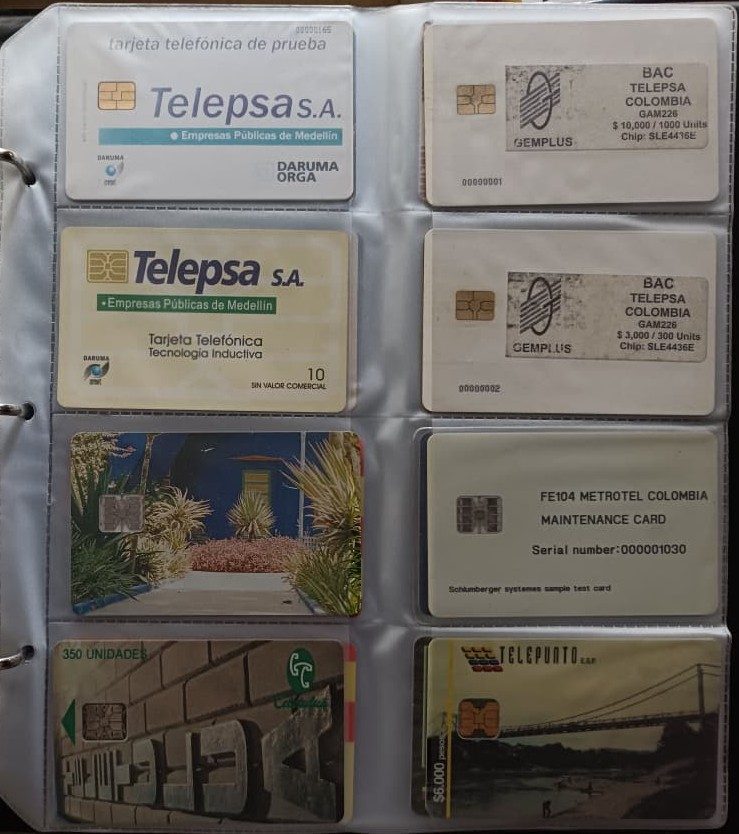
A test card from Telecom, Colombia.
Have you taken part in the PIM – Phonecards International Meeting? If so, what do you remember of that experience? If not, is it something you would like to do?
I have not taken part in the PIM yet, but I would like to do so soon, to meet the members of the Club.
How did you hear about the WPC Club, and what convinced you to join?
I heard about it through Davide Gambardella, who kindly invited me to join the Club and become a member.
Is there something you expect from the WPC Club community that you haven’t found elsewhere yet?
As always in the clubs I belong to: to have many friends and to share our hobby.
Is there anything about your story as a collector that you would like to share and that the previous questions didn’t let you tell?
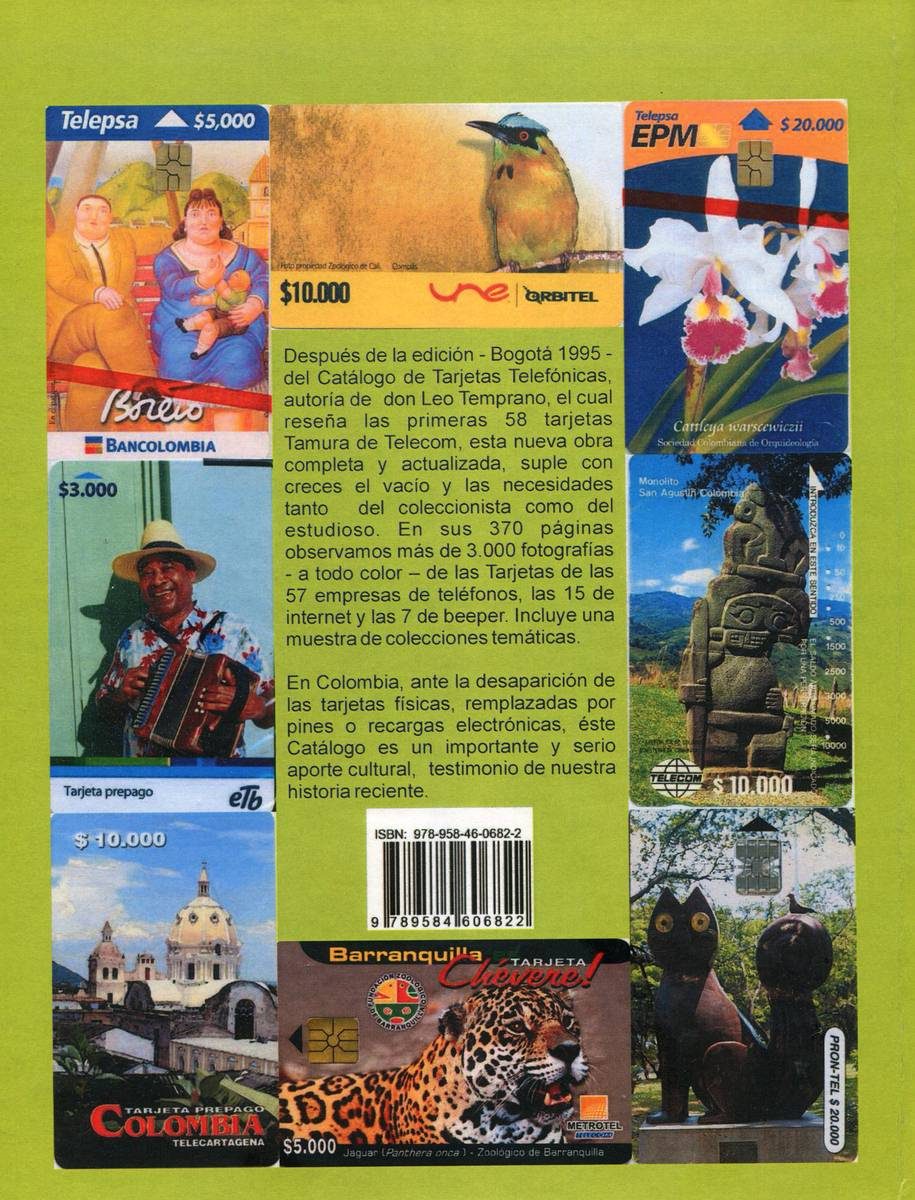
In 2012, together with Álvaro Eraso, we published the Catálogo de Tarjetas Telefónicas de Colombia, which gathers all the companies and all the phonecards up to that year, when phonecards began to disappear from the market, replaced by other technologies.
The catalogue with Álvaro Eraso: how did the idea come about, how long did it take to gather all the companies and issues up to 2012, and what was the hardest part of the work?
The idea came from several collectors who wanted a precise picture of what we were collecting. Information was very scarce and, in some cases, concentrated in one city or another, where those of us from other cities had no access, because they were local companies. Hence the need to work together, among collector friends from several cities.
It was very hard to gather the information, because companies are not interested in collecting and do not think of promoting it. They only see the expansion of their market, without taking into account other considerations such as collecting.
It took us more than five years to bring all the material together.
Now we are thinking about a work on GSM SIM cards, which are what still remains before eSIMs become widespread.
The catalogue is available to everyone
The Catálogo de Tarjetas Telefónicas de Colombia by Álvaro Eraso Alvear and Gilberto Gallo Martínez is the result of more than five years of research and covers all the issuing companies and all the Colombian phonecards up to 2012. Gilberto has chosen to make it freely available: you can read it and save it from the link below.
Download the Catálogo de Tarjetas Telefónicas de Colombia (PDF)
Those who wish can accompany the download with a free, optional donation in support of the people affected by the earthquake that struck Colombia on 10 August 2026. The contribution goes directly to Gilberto, who will pass it on to those affected, via PayPal at [email protected].
The WPC Club thanks Gilberto for his time and for the generosity with which he shares his work. We look forward to welcoming him to Grugliasco, at the next PIM.
All the interviews in the series are collected on the Collector Stories page. If you are a WPC Club member and have a collection to tell, write to us: you could be the next interview. If you are not a member yet, find out how to join on the Membership page.
