

The Phonecard Museum has shared a second piece of research with the WPC Club community: a deep dive into Tamura and Anritsu phonecards, two important phonecard founding technologies in the history of the phonecard.
If you have spent any time collecting phonecards from Japan, Singapore, Australia, Venezuela or the United Arab Emirates, there is a good chance you already have Tamura or Anritsu cards in your collection without knowing the full story behind them.
Article Contents
Two Names Behind Some of the World’s Most Collected Phonecards
Tamura and Anritsu were Japanese companies whose phonecard systems found their way into public payphone networks on almost every continent. From the early 1980s onwards, their cards were issued in countries as different as Japan, Singapore, Venezuela, Australia and the UAE—making Tamura and Anritsu phonecards among the most widely distributed magnetic phonecards ever produced.
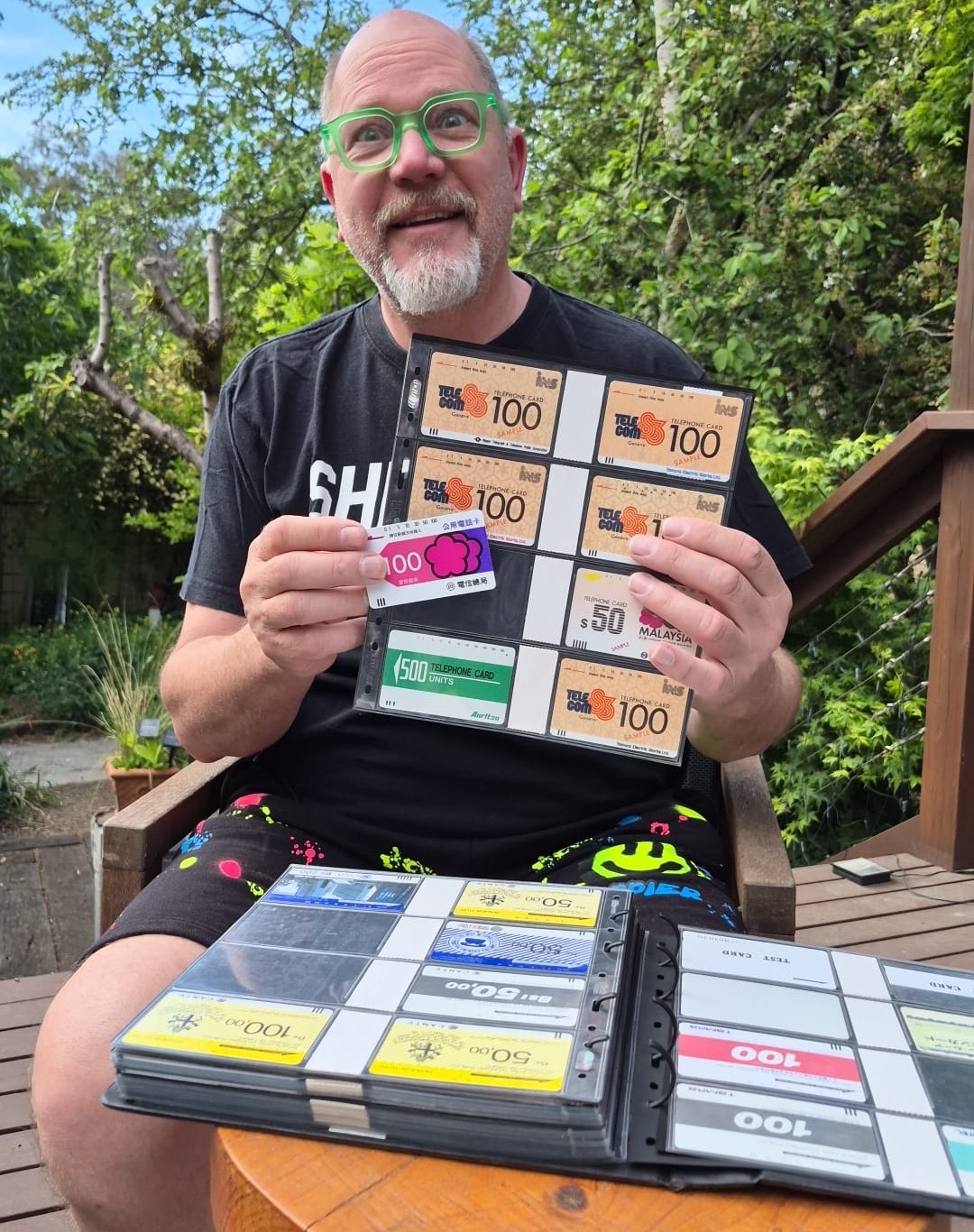
What many collectors do not realise is how much information these cards carry if you know how to read them. The serial numbers, the magnetic coating, the bar markings on the front—each one tells a story about when and where a card was produced, and how rare it is likely to be.
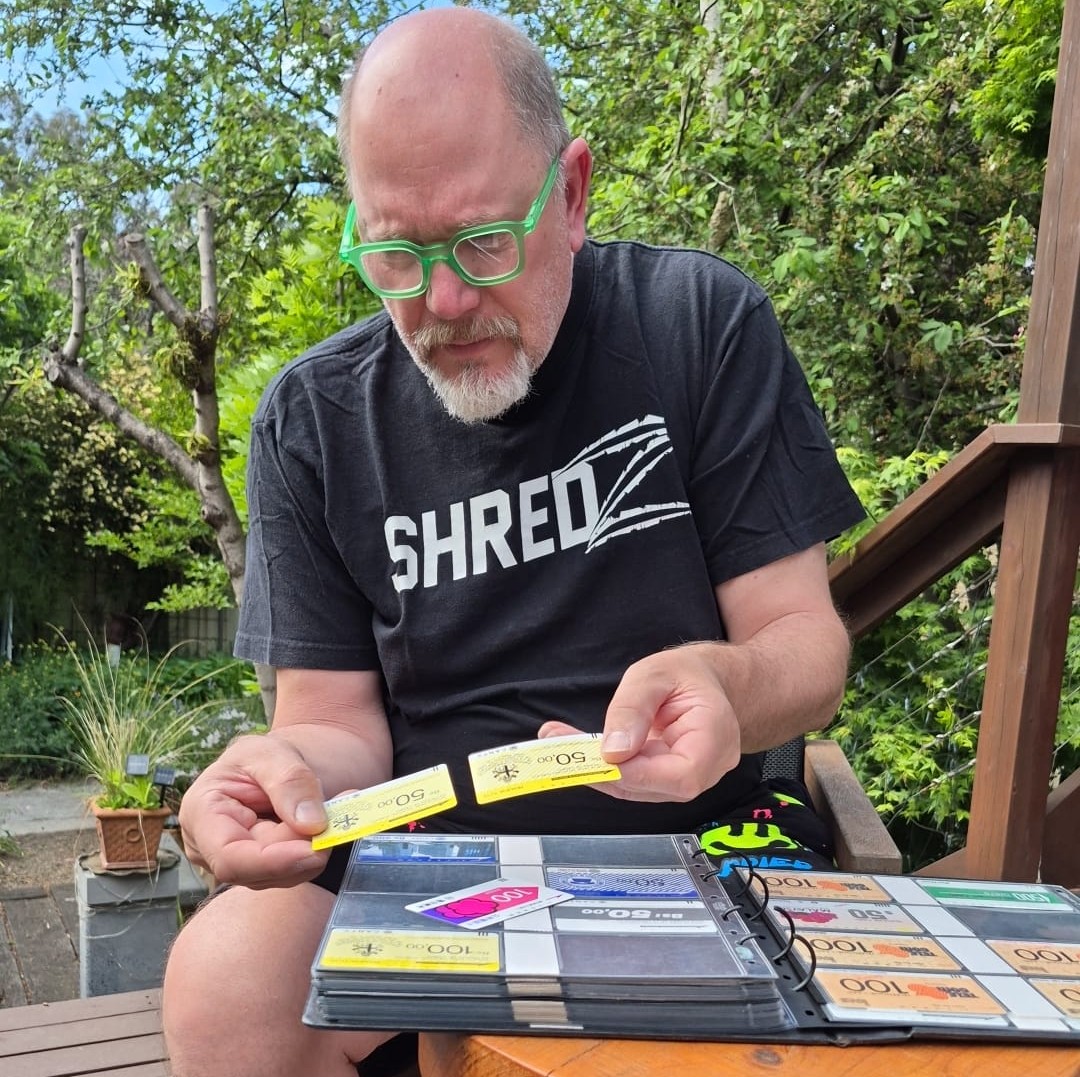
There is also a long-standing misconception in the collecting community about cards marked “SAMPLE” in the Tamura and Anritsu series. Whether those cards are dummy or fully functional encoded phonecards is a question collectors have debated for years. Eric Schuenemann’s new article on the Phonecard Museum has the answer.
Read the Full Story on Phonecard Museum
Rather than summarise it here, we want to send you straight to Eric’s own words and images. His new article covers the full history of both systems, from the first production runs in the early 1980s through to international expansion, with rare cards, demonstration pieces and comparison material drawn from decades of collecting.
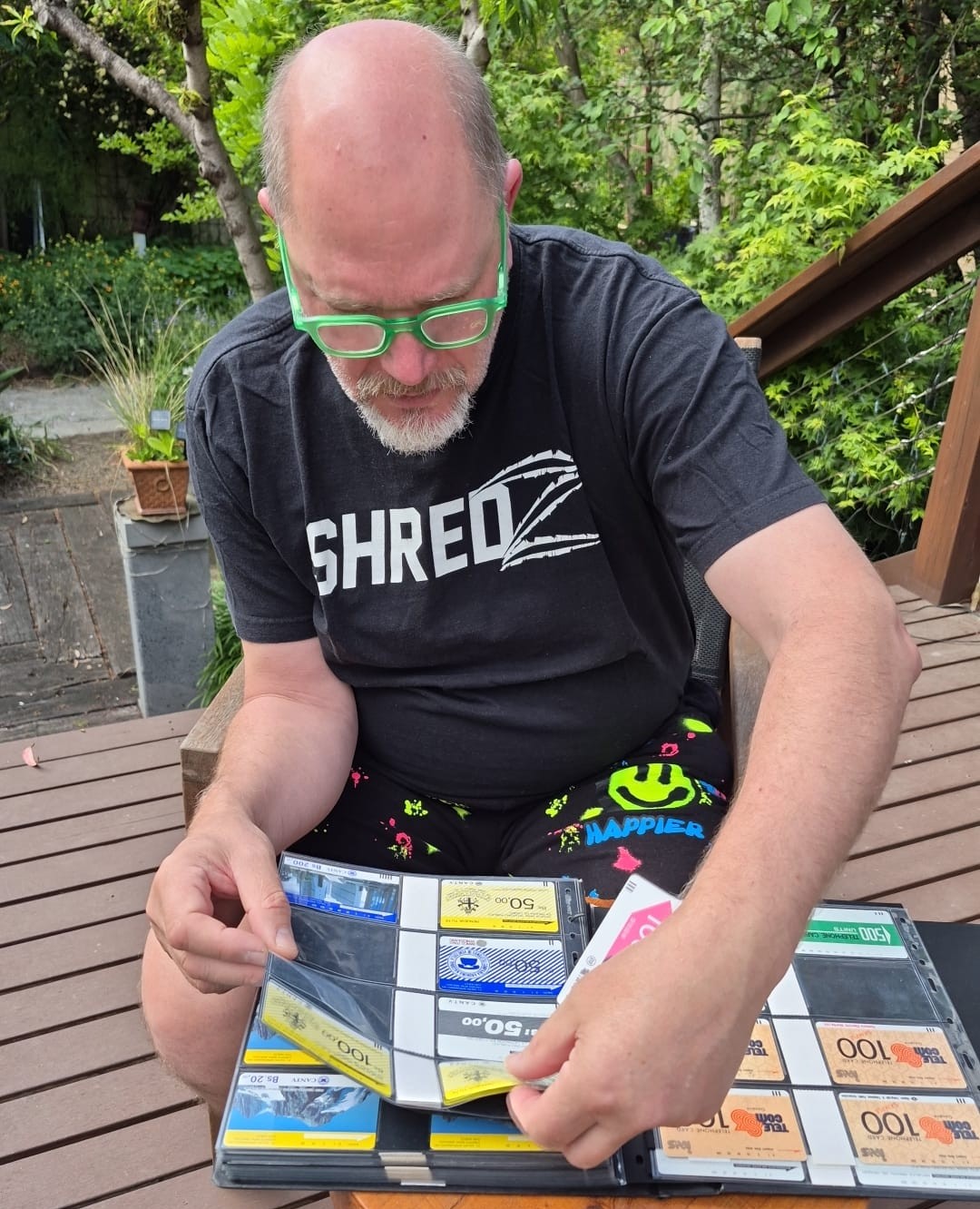
If you have ever wondered how much history a single magnetic card can carry, this is exactly the kind of read that shows it.
Read the full Tamura and Anritsu story on Phonecard Museum →
Beyond this article, the Phonecard Museum remains a website well worth bookmarking, with a growing library of historical research covering phonecard and smart card systems from around the world.
Why Tamura and Anritsu Phonecards Belong in Every Serious Collection
For collectors building a representative collection of the magnetic phonecard era, Tamura and Anritsu phonecards are not a niche—they are a cornerstone. Between the two systems, Tamura and Anritsu phonecards account for the vast majority of magnetic phonecards circulated across multiple continents from the early 1980s through the late 1990s.
Japan alone produced millions of cards through both platforms, with designs ranging from everyday corporate issues to rare limited editions tied to cultural events. In countries outside Japan, the cards often carry additional significance as artefacts of the moment when a new country first adopted the public phonecard system—making the first issues from Venezuela, Singapore or Australia both historically important and increasingly difficult to find in mint condition.
The new Phonecard Museum research also addresses one of the more practical questions collectors face: how to tell the difference between the two systems when a card gives no obvious indication. The encoding, the magnetic strip placement and the physical markings are all points of identification that Eric’s article documents in detail.
This Is What Our Partnership Is For
Every story the Phonecard Museum shares with the WPC Club community is exactly what we had in mind when we formalised our Official Cultural Partnership in May 2026: bringing serious research to a wider audience, and giving Eric’s work the reach it deserves.
If you missed the first story in this series, a deep dive into GEC Plessey GPT phonecards, you can find it here.
You can also read more about our collaboration on our Partners page.
