

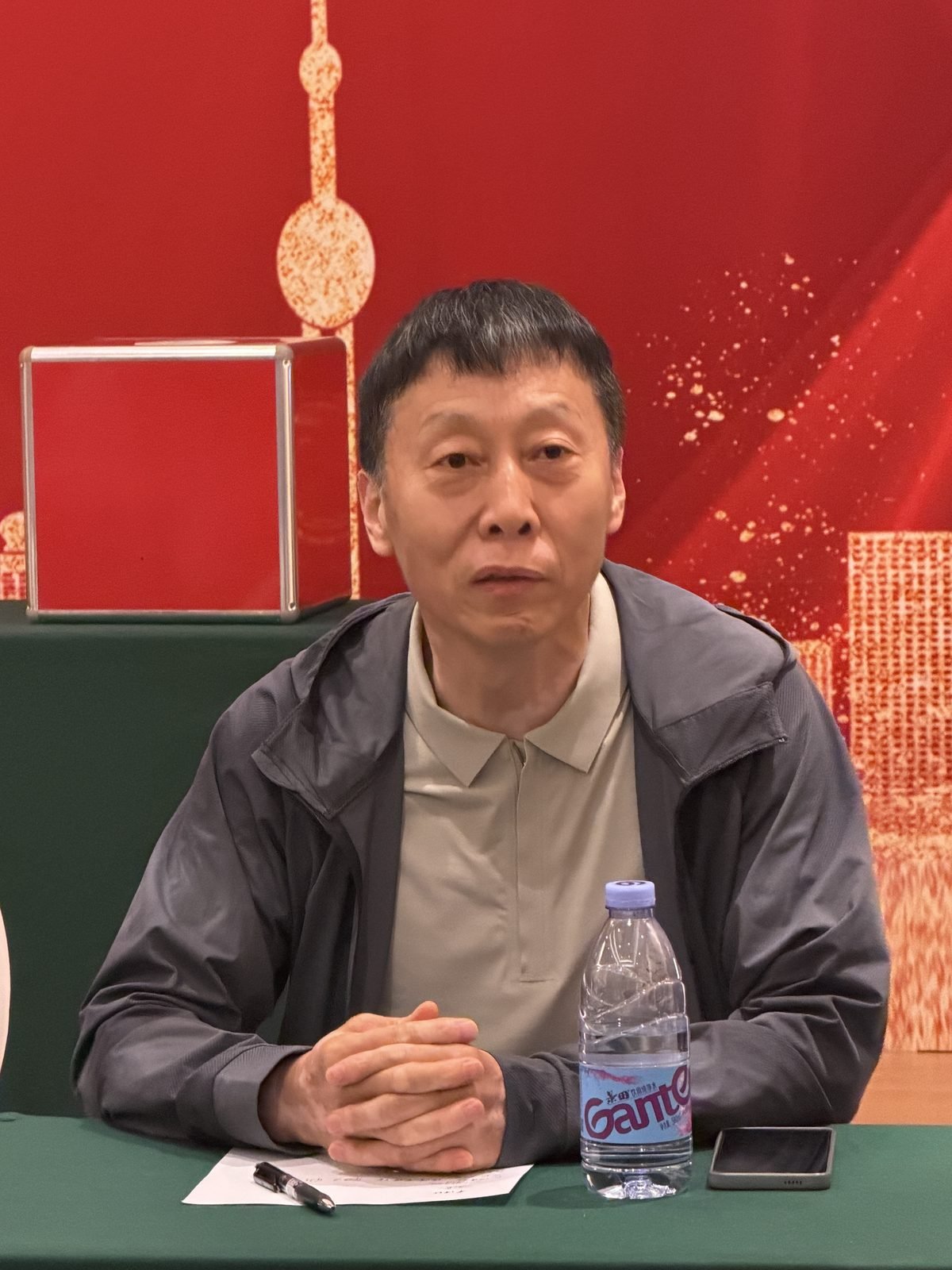
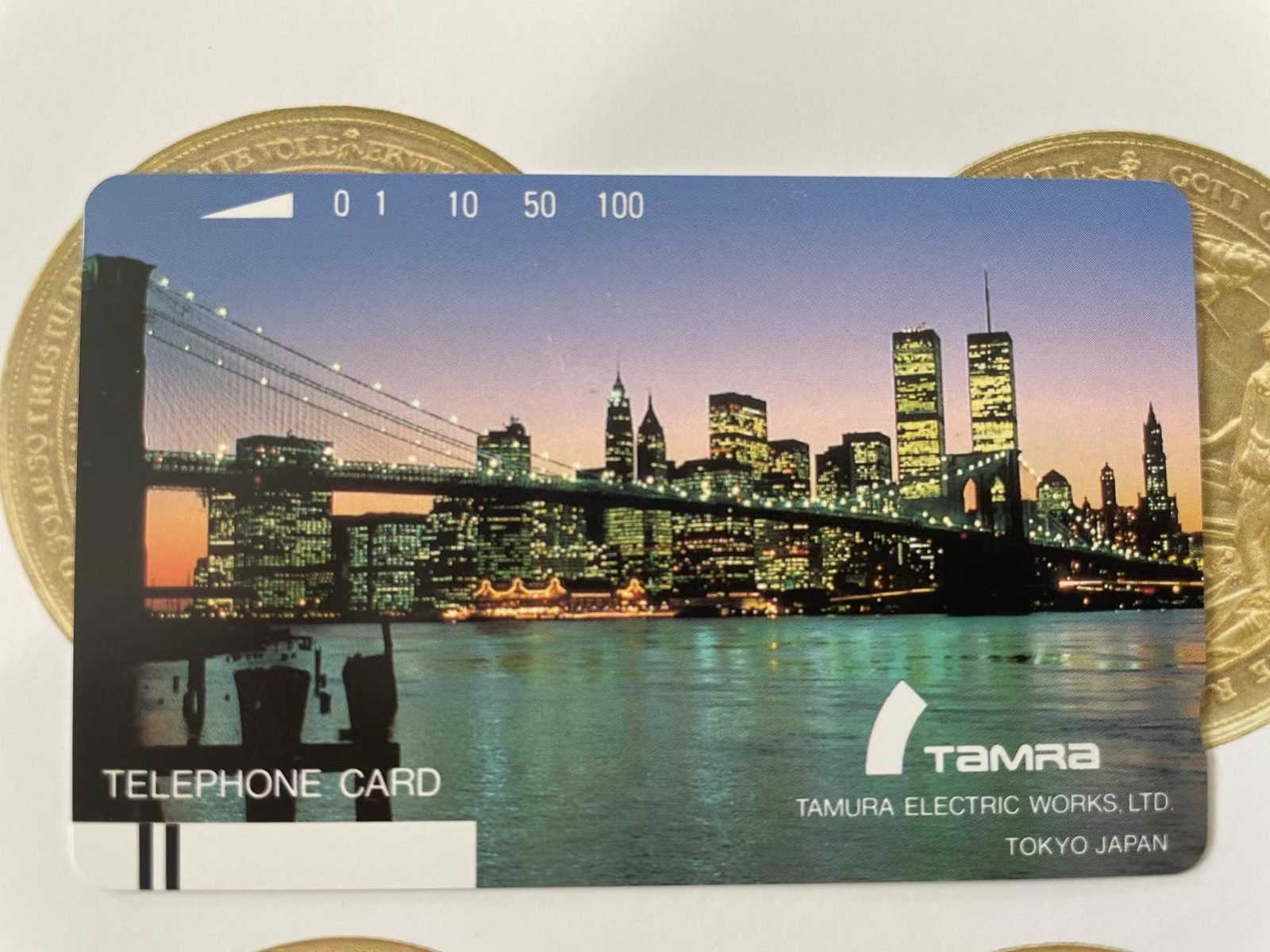
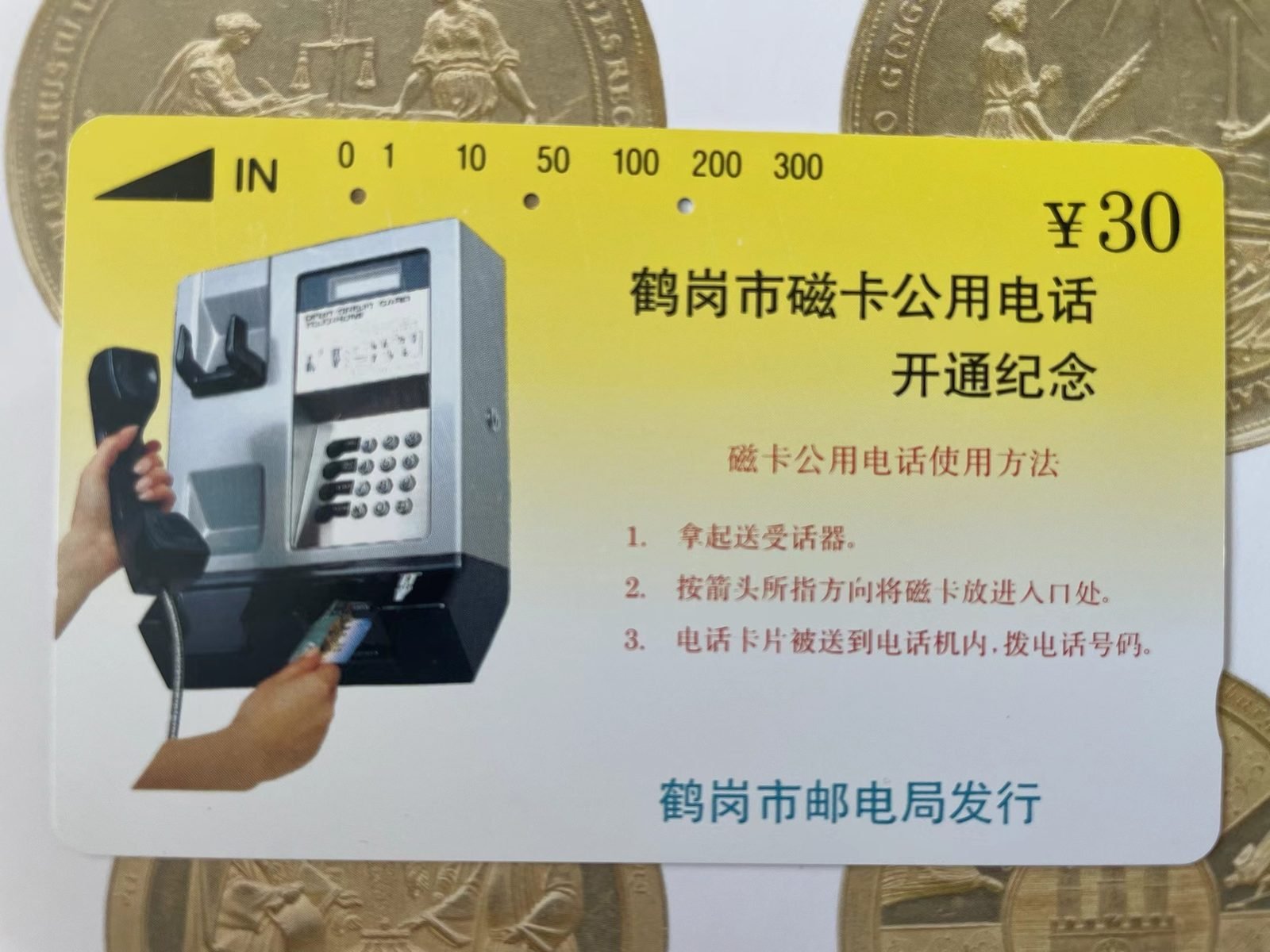
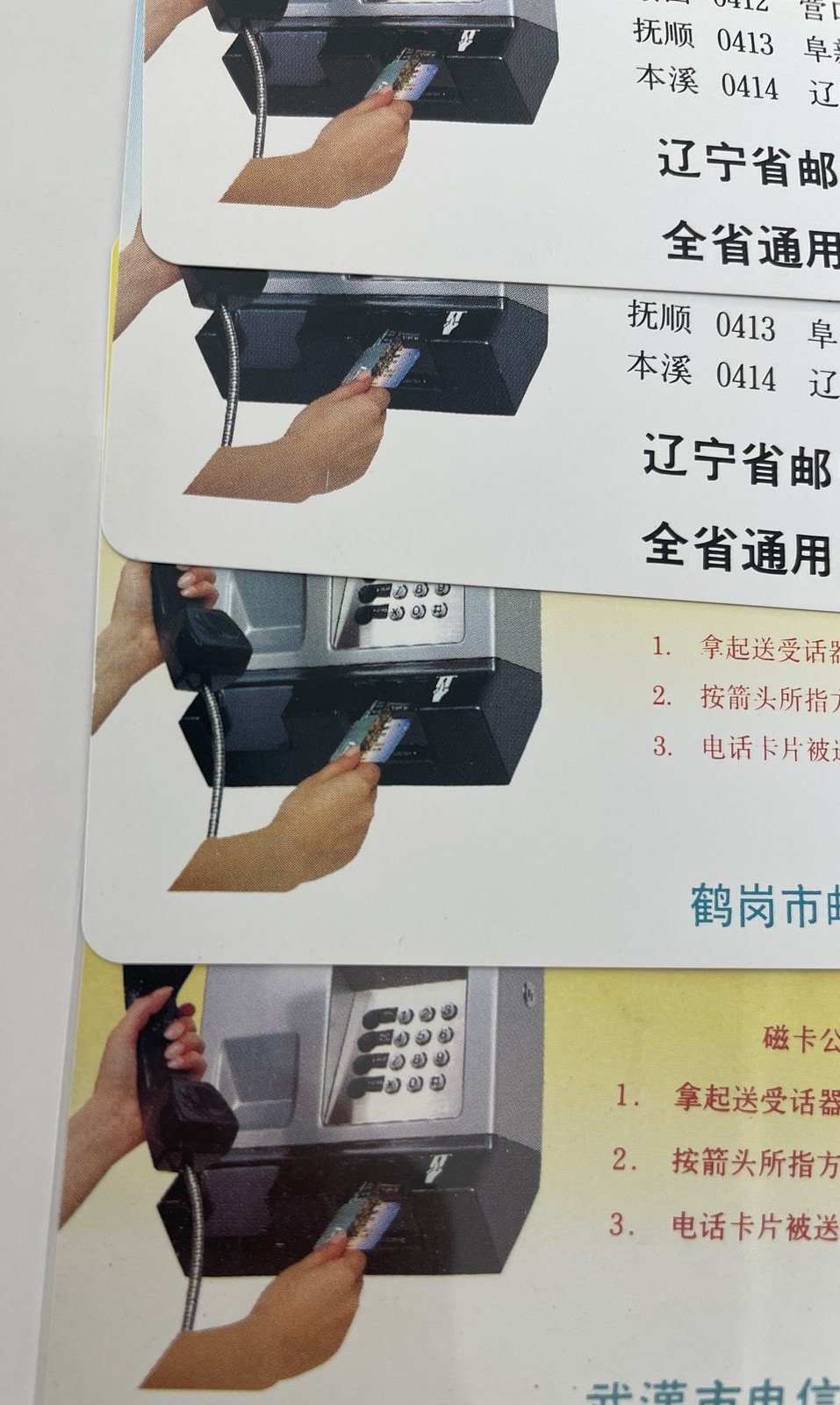
For years, collectors in China kept seeing the same mysterious card. It appears in the promotional photograph printed on some of the country’s earliest magnetic phonecards: a hand slides a card showing the New York skyline into a Tamura payphone. The image travelled across issues from Hegang to Liaoning Province, yet nobody knew what that card actually was. Yang Xiaodong found the answer, and the original.
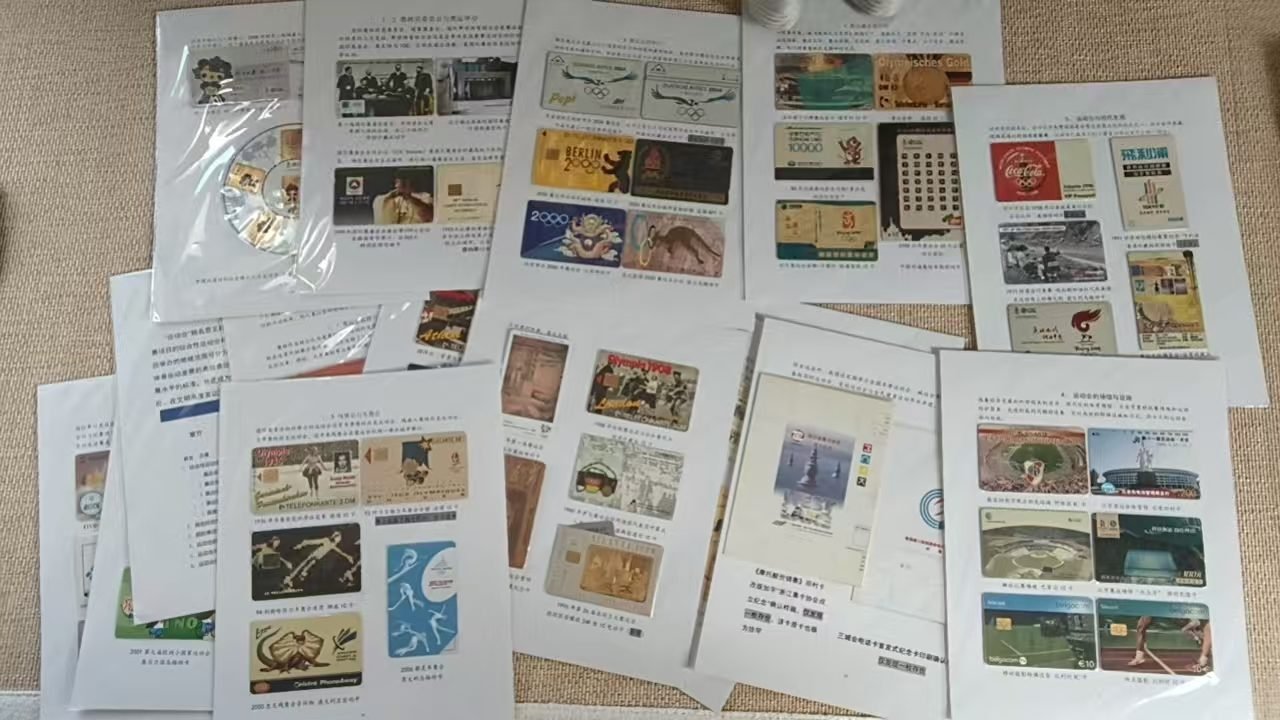
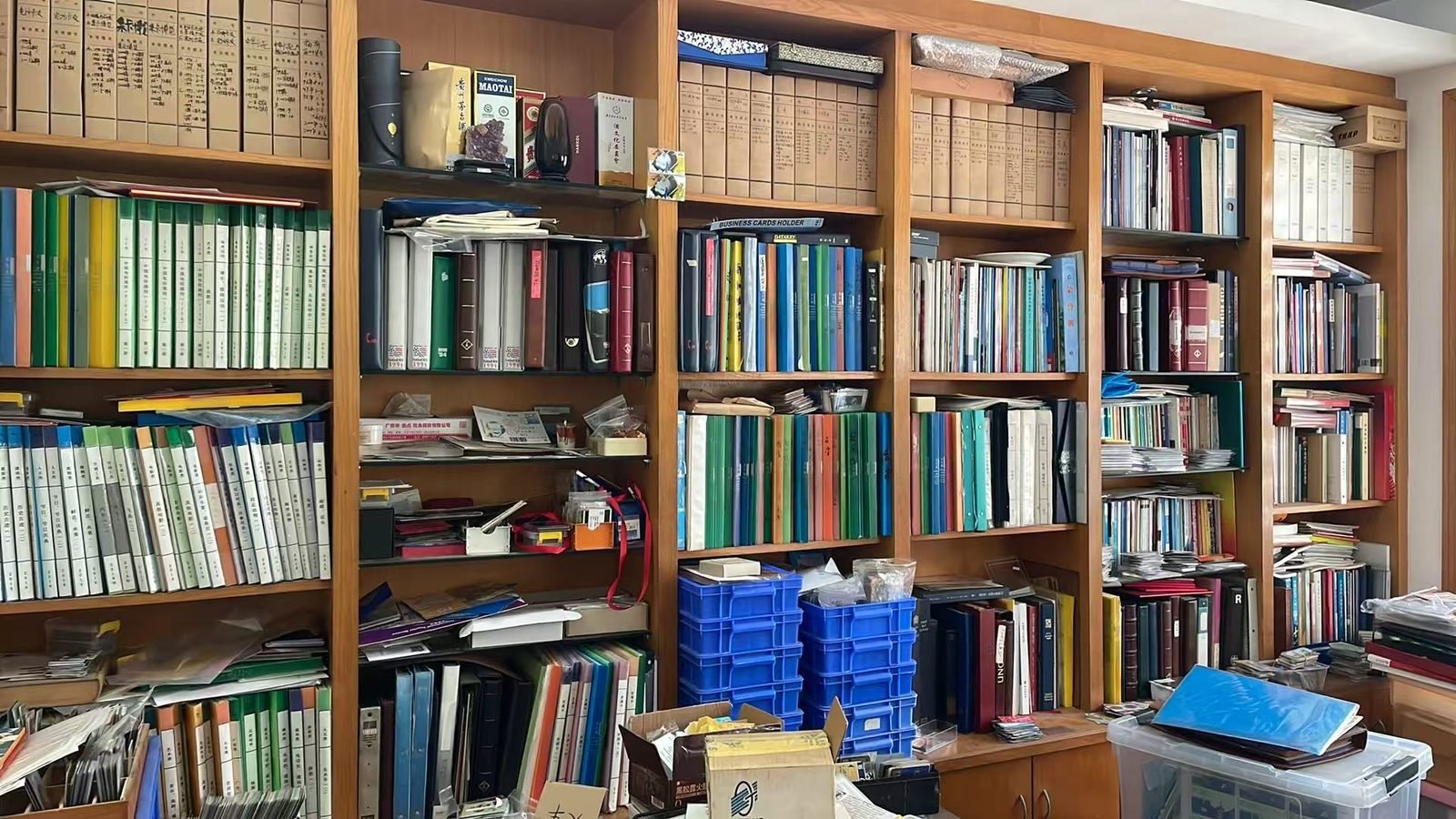
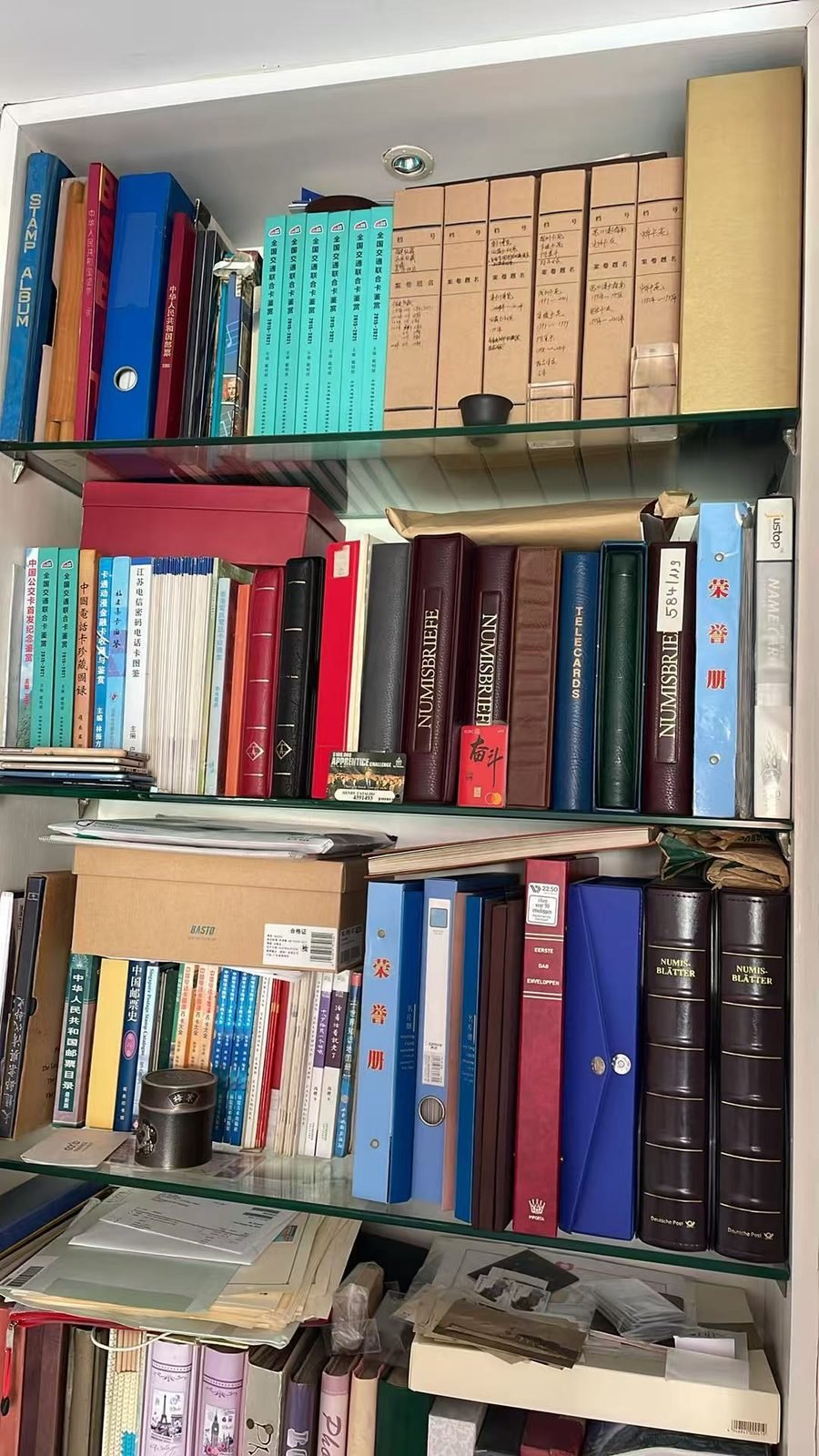
Yang Xiaodong has been collecting phonecards since 1992, when he was a university student. More than thirty years later, his collection has grown past one hundred thousand cards, kept in a home library where albums, catalogues and numbered archive boxes line the walls from floor to ceiling. What sets his work apart is the way he shares it: Yang curates his cards into thematic exhibition displays, carefully researched pages where phonecards tell stories that go far beyond telephony.
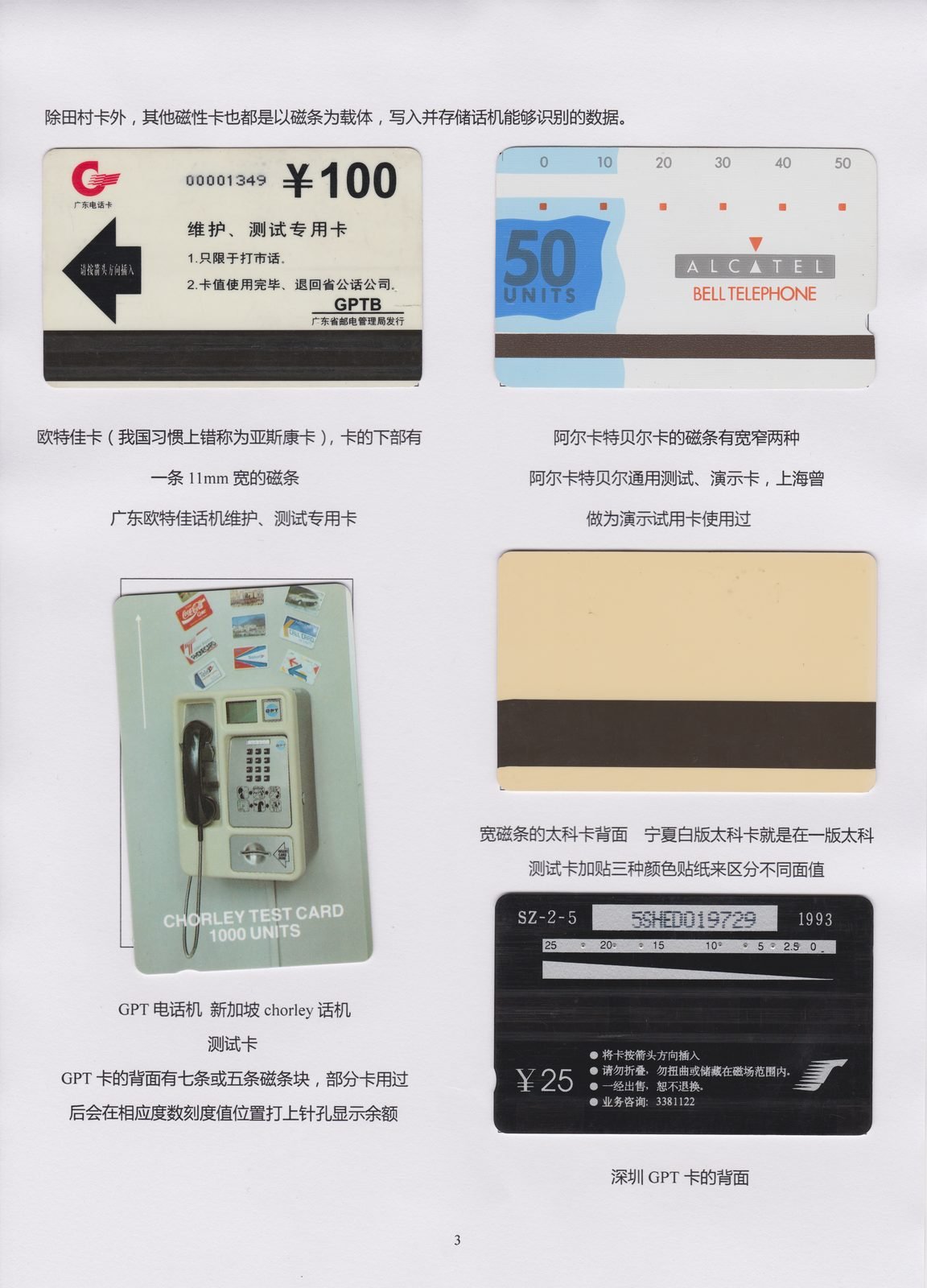
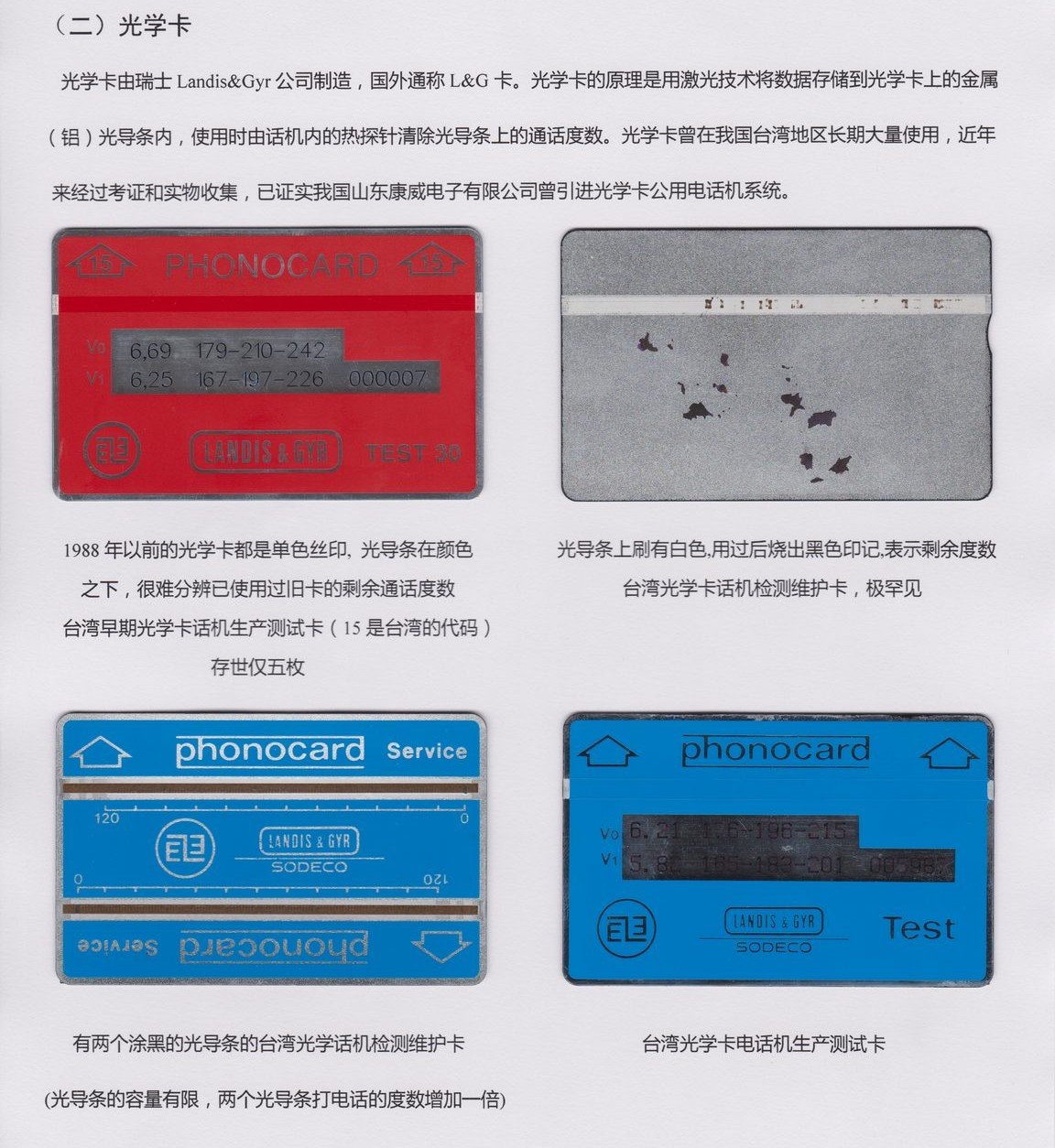
The Olympic Games from 1896 to the present day, the history of music from ancient Chinese instruments to Mozart and Beethoven, the technical evolution of magnetic and optical cards: each display turns the collection into a narrative, including rarities such as a Landis & Gyr test card of Taiwan with only five known examples in the world.
He is also one of the key figures of organised card collecting in China. Yang leads the Card-Collecting Committee of the China Association of Collectors, the WPC Club’s institutional partner in the country, and has taken part in three editions of PIM – Phonecards International Meeting, where at PIM 2026 he received a recognition as best travelling collector.
This is the fifth episode of Collector Stories, and the first to take us to China. Yang answered our questions in Chinese; the translation is by the WPC Club editorial team.
Article Contents
How did your passion for phonecards begin?
I started collecting phonecards in 1992, during my university years. The first card I ever collected is no longer with me, but the memory of it is still vivid.
How would you describe your collection to someone new to the hobby?
Card collecting is a witness to the progress of human society and technology, and an important carrier of the memory of our civilisation. Because I love football and sport, I have collected a large number of cards on these themes and curated them into exhibition displays.
How many phonecards are in your collection?
I have never counted them precisely: they should be more than one hundred thousand. It has taken me over thirty years to build the collection, with major progress in the last two.
Is there a card you would never part with?
The cards that bear witness to personal experiences, friendships and special events are the ones I will never part with.
What satisfies you most in this hobby?
It is a window for understanding the world and growing my knowledge, a way of making friends in China and everywhere else, and it is also part of what I do professionally.
Have you ever had an unexpected find?
Many. One example is the Tamura trial card of New York: this card appears on early Chinese phonecards, and for a long time no one had found the answer.
Have you taken part in PIM – Phonecards International Meeting?
I have taken part three times. What I remember most fondly is the award the organisers presented to me.
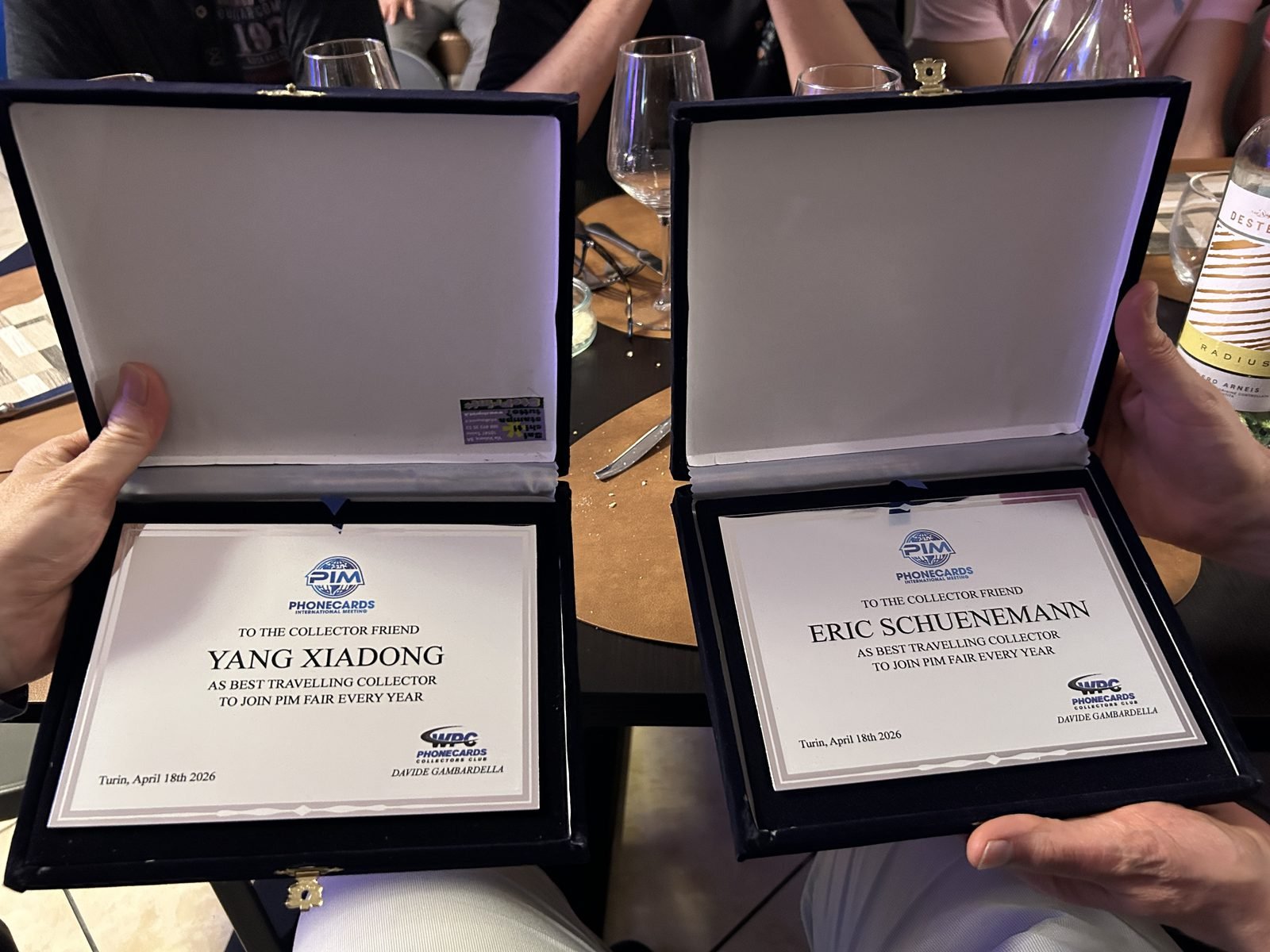
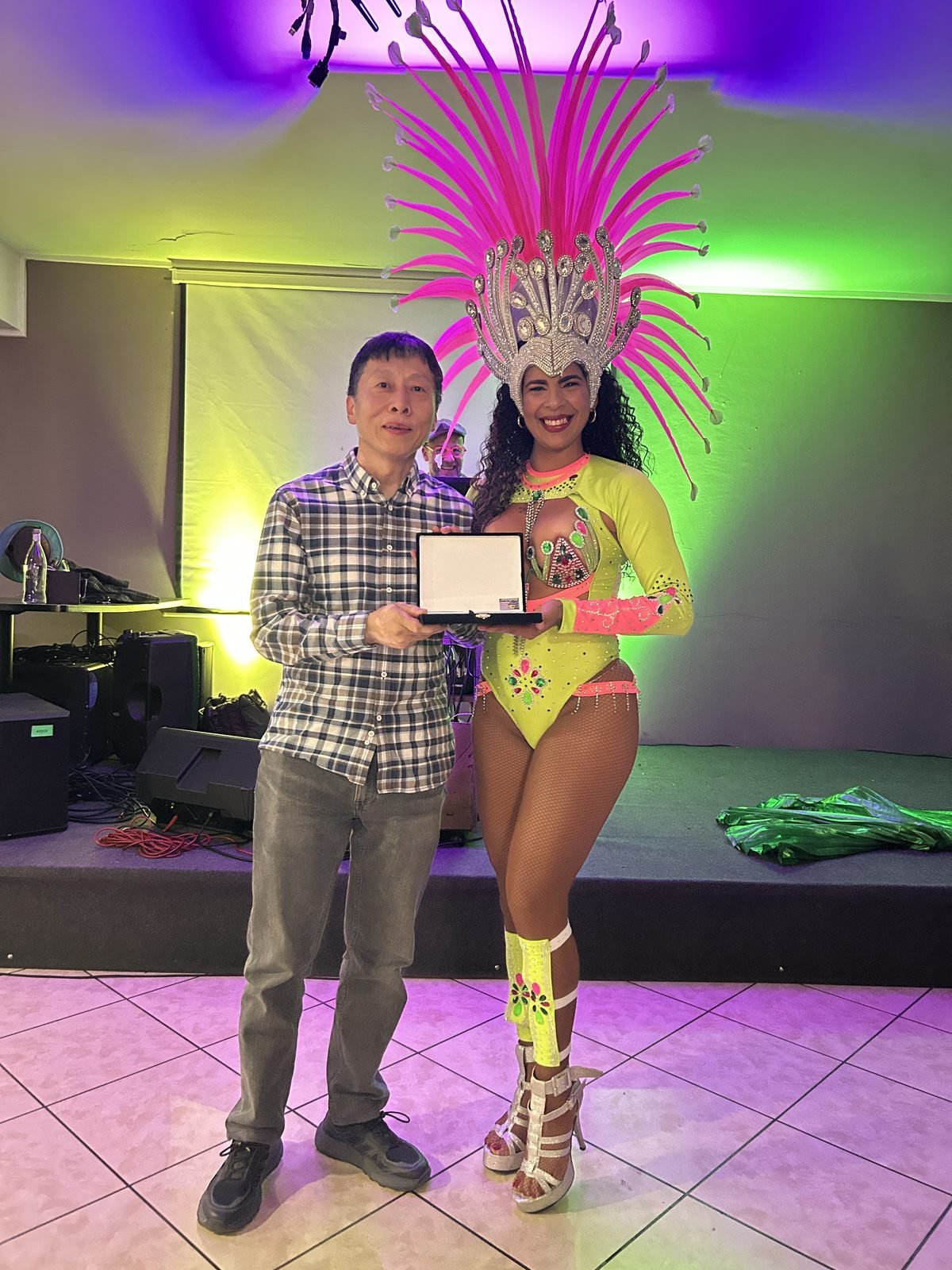
The plaque was presented during the collectors’ dinner on the Saturday evening of PIM 2026, where a Brazilian dance performance entertained the guests: one of those moments when the meeting goes beyond collecting.
How did you learn about the WPC Club?
Through the invitation of Mr Davide, the organiser. Exchanging with friends who share the same passion is one of the great joys of collecting.
What do you hope to find in the WPC Club community?
International exchange: it is the only global card collecting organisation, or one of the very few, in the world.
Is there anything else you would like to share?
Through phonecard collecting I have met so many friends from all over China and from around the world. We do not only exchange cards: we have become true friends in life. Wherever I travel, I can meet different friends, share successes, joys and even disappointments, and help each other with sincerity. This meaning, which goes far beyond collecting itself, is what I value most.
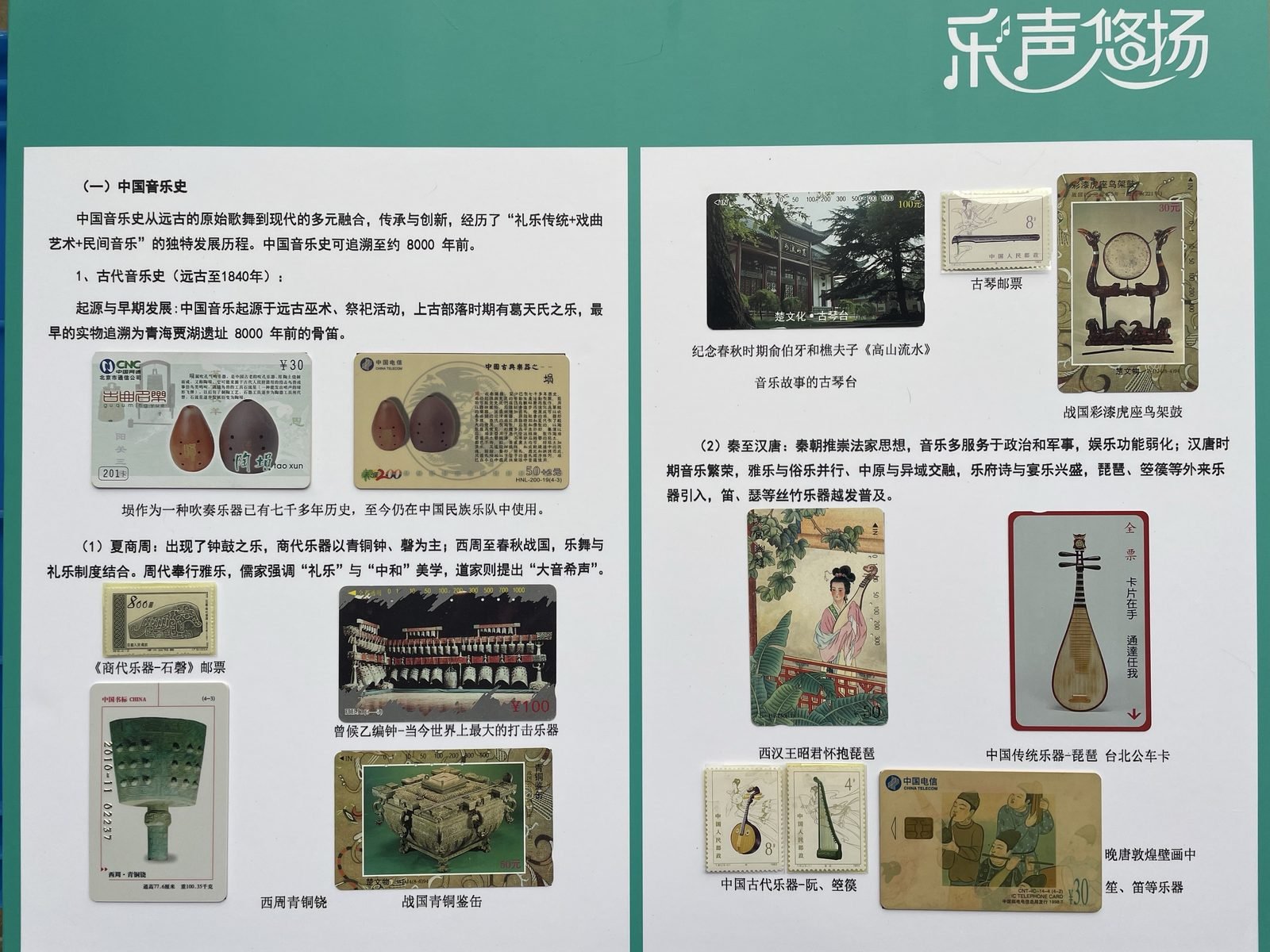
From a university campus in 1992 to a recognition on the PIM stage, Yang Xiaodong’s story shows what phonecard collecting looks like when it becomes a form of scholarship and a bridge between countries. A card printed in Tokyo, pictured on a payphone in Hegang, finally identified by a collector who never stopped asking questions; exhibition pages where phonecards retrace the Olympic Games and the history of music; an archive built over more than thirty years, one card at a time. The WPC Club is proud to count him among its members and to work alongside the Card-Collecting Committee of the China Association of Collectors.
Collector Stories continues with new voices from the WPC Club community. If you are a member with a collection to share, write to us: you could be our next interview.
