

The Worldwide Phonecards Collectors Club is delighted to welcome Museo Telefonia Pubblica (Public Telephone Museum) as a new partner for PIM 2026. As part of the programme built around the 50th anniversary of the phonecard, first announced in our guide for exhibitors, Museo Telefonia Pubblica will bring a selection of historical pieces to PIM, giving visitors a chance to explore the wider story of public telephony alongside the phonecards on the exhibitor tables.
The partnership is also a chance to get to know Museo Telefonia Pubblica itself: one of the largest collections of its kind in the world, built almost entirely by one person, Leonmario Moretti, known to friends as Leo, and open to the public since summer 2025.
Article Contents
A Lifelong Passion for Telephone Booths
Leo’s passion for telephones and telephony dates back to childhood, sparked by the desire to own a 1950s telephone he had seen on television. Above all, it was telephone booths that captured his imagination, leading him on a long search for information and material on public telephony.
Year after year, his collection grew until it covered 99% of Italy’s production in this field, alongside unique pieces from elsewhere. The scale of what he had built eventually led Telecom Italia to bring him on through its services partner, Business Partner, to work directly with the network he had spent years documenting. When those telephone stations were largely decommissioned, Leo chose to dedicate himself full-time to building the Museum.
More Than 500 Pieces of Telephony History
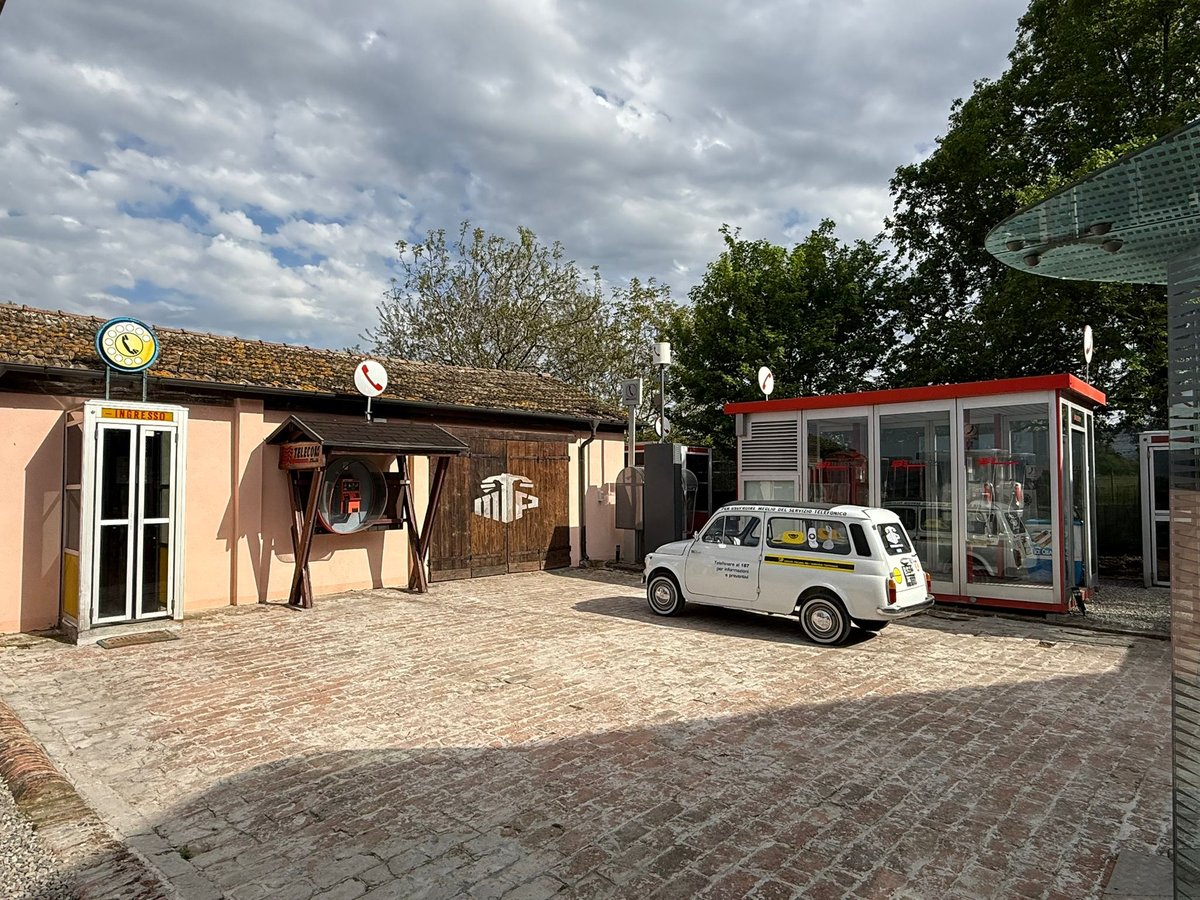
Museo Telefonia Pubblica holds more than 500 exhibits from Italy and around the world, spanning the full history of telephony, from early indoor booths to modern installations. Visitors are guided through the collection by Leo himself, starting in a courtyard filled with telephone booths, each one different, before moving through rooms packed with telephones, equipment and memorabilia from across the decades.
From 1930s Booths to the Jubilee 2000
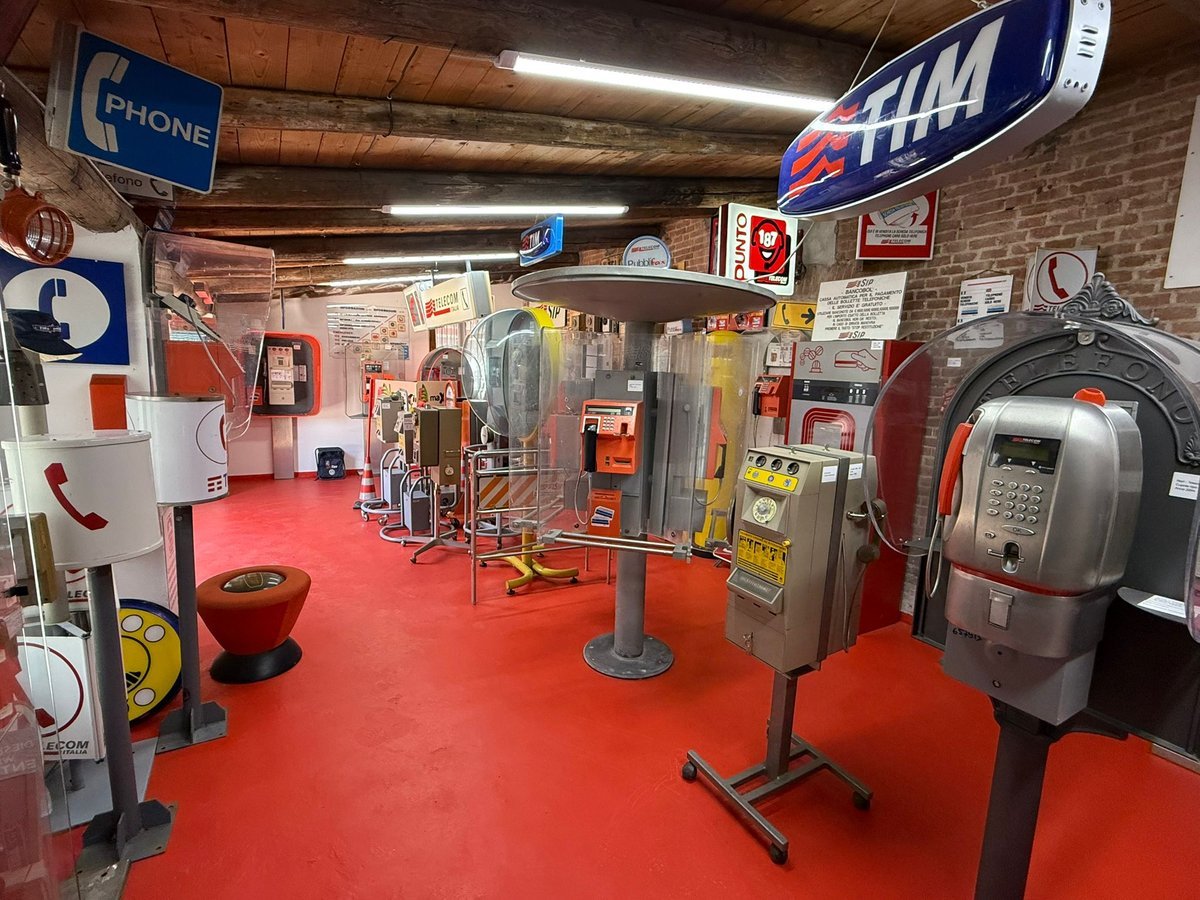
The collection begins with indoor booths from the 1930s, complete with their original phone books, and continues through to installations from the 2000s, including a fully glass, self-supporting booth created for the Jubilee 2000.
Among the most distinctive pieces are steel booths built specifically for the City of Venice to withstand salt air, and wooden mountain booths created for Cortina and the wider Cadore area, each adapted to the conditions of the place it served.
Unique Pieces from the Collection
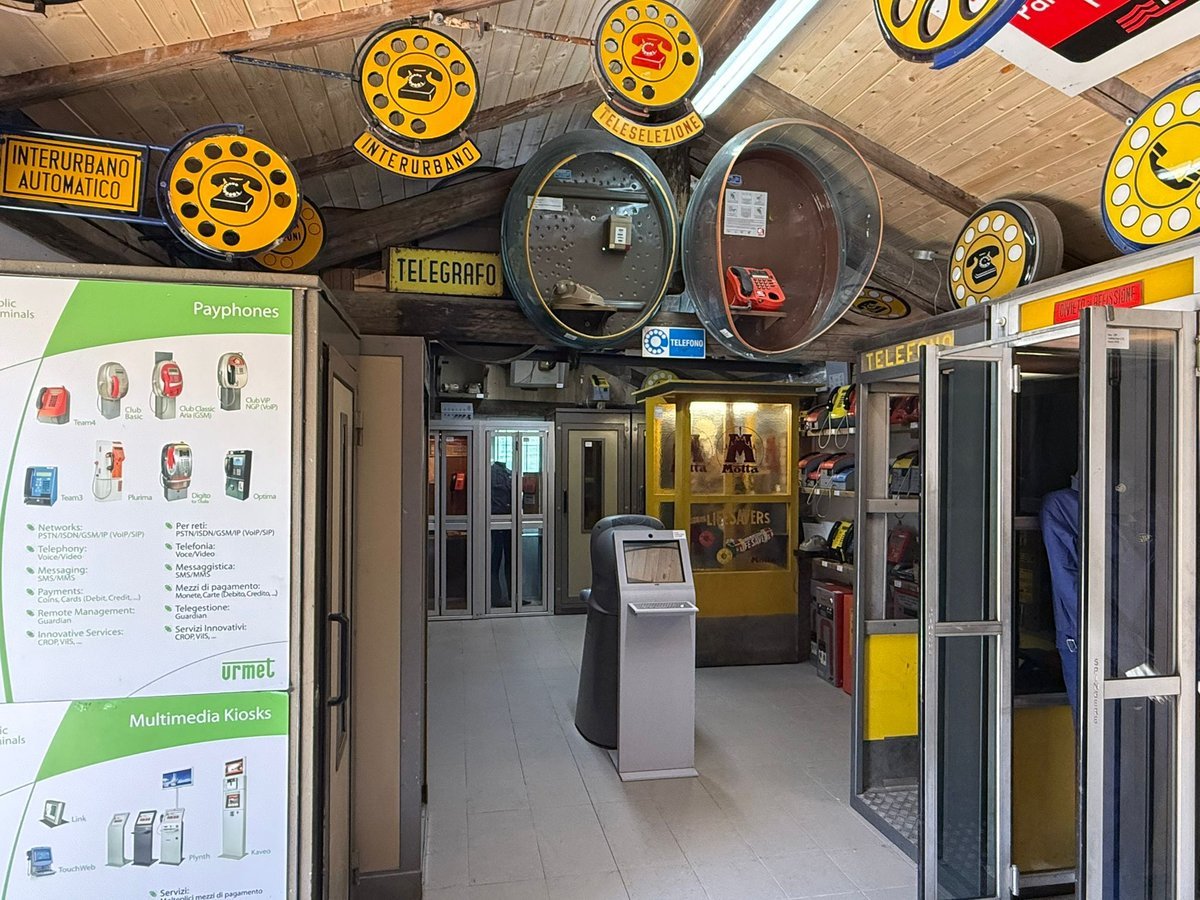
Some objects in the collection stand out for their history rather than their age. These include a prototype telephone for sending faxes using a phonecard, a device built for journalists covering the 1990 FIFA World Cup in Italy with its own dedicated phonecard, and a full-scale reproduction of the world’s first street telephone booth, created for the 2023 film Enzo Ferrari.
The collection also holds the first public telephone designed for deaf users, a container that once housed multiple telephone stations for Italian soldiers stationed in Nasiriyah, and transparent telephone booths from Expo 1961 and Expo 1971.
Some unique pieces
The prototype telephone for sending faxes with a phone card, the device specially made for journalists at the 1990 FIFA World Cup in Italy with a dedicated phone credit card, and the full-scale reproduction of the first street phone booth in history, commissioned by director Michael Mann for the 2023 film “Enzo Ferrari”, are some of the unique pieces awaiting you during the visit.
Even more astonishing are the first public telephone for the deaf and dumb, the large container containing numerous telephone stations for the soldiers of Nasiriyah, and the transparent telephones from Expo 1961 and 1971.
Visiting Our New Partner
For collectors who want to explore the collection in person, Museo Telefonia Pubblica is open by appointment in Alberi, near Parma. Visits can be booked by calling +39 320 4208790 or through the museum’s Instagram page, @museotelefoniapubblica. Admission is free, and donations are welcome to support the museum’s work.
Public Telephony Heritage at PIM 2026
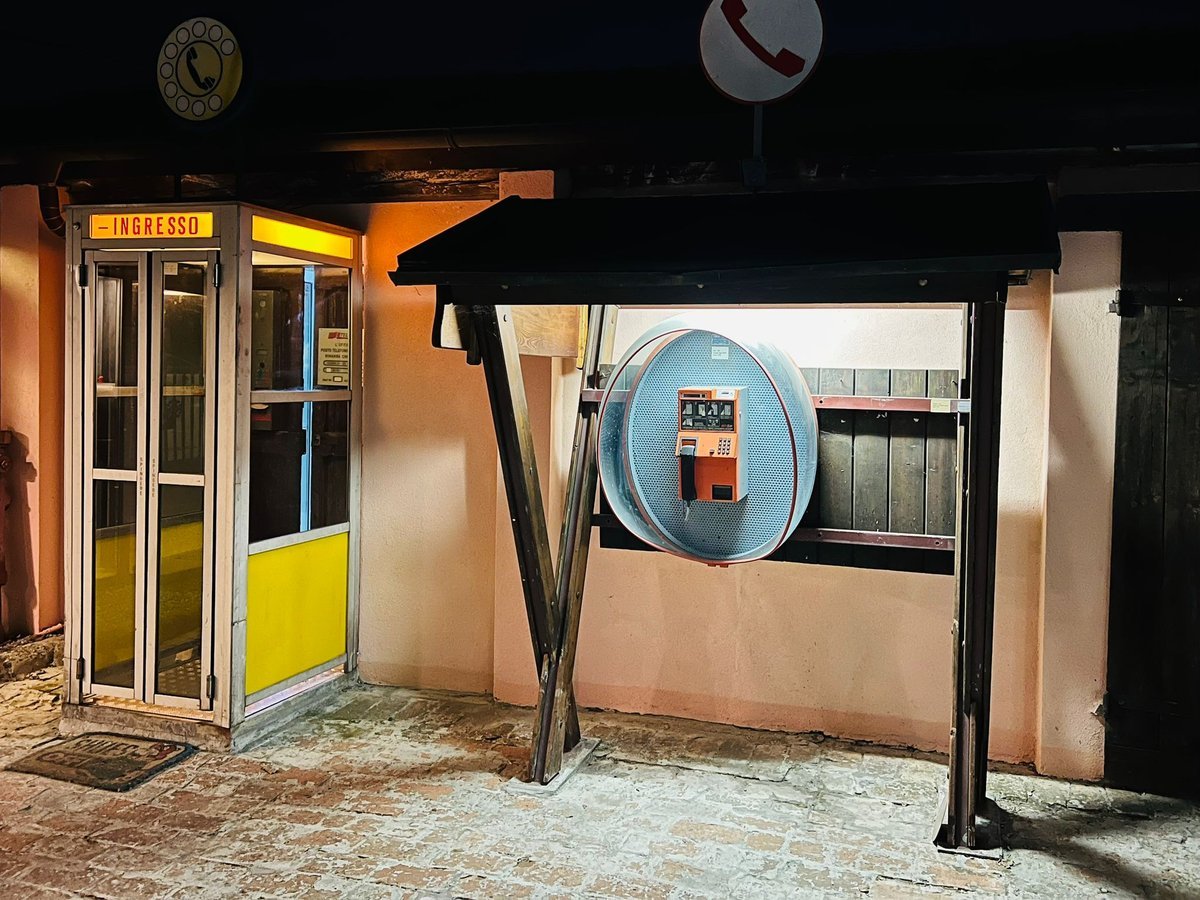
For WPC Club, the partnership with Museo Telefonia Pubblica reflects how closely the story of the phonecard is tied to the wider story of public telephony. Phonecards exist because of the telephone network and the booths that used them, and collections like Leo’s preserve the infrastructure side of that history.
At PIM 2026, this connection will be on display for the first time: phonecard collectors at the exhibitor tables, and public telephony history brought by Museo Telefonia Pubblica, together as part of marking fifty years since the first phonecard. Find out more about taking part in PIM 2026.
